
- What Are Self-Priming Pumps?
- How Self-Priming Pumps Work
- Advantages of Self-Priming Pumps
- Common Applications of Self-Priming Pumps
- Types of Self-Priming Pumps
- Key Features to Consider When Selecting a Self-Priming Pump
- Installation and Maintenance Tips
- Innovations and Trends in Self-Priming Pump Technology
- Case Studies and Real-World Examples
- Conclusion
- FAQs
In fluid management, self-priming pumps are everywhere. This guide covers their efficiency, applications, and latest innovations. One of the key features of these pumps is automatic priming, which removes air from the suction line and starts pumping without human intervention, making life so much easier and more efficient. Self-priming pumps have become a must-have because they can prime a pump without human oversight; that’s why they are the go-to choice in many industries. By the end of this guide, you will know these pumps, how to prime a pump, and the innovations that have made priming a pump easier and more efficient than ever before
What Are Self-Priming Pumps?
Self-priming pumps are a type of centrifugal pump designed to evacuate air from the suction line and create a partial vacuum to draw fluid into the pump, enabling it to prime itself. These pumps can automatically evacuate air from the system, removing air from the suction line to establish a vacuum and initiate fluid flow, thereby creating a reliable pumping action.
Unlike traditional pumps that require manual priming, self-priming pumps simplify the process and enhance operational efficiency by establishing a vacuum and removing air without manual intervention.
Definition and Basic Principles
A self-priming pump can clear its passages of air if it becomes air-bound and resume pumping water without external attention. This capability is achieved by mixing air with water to create a pumpable fluid, expelling the air, and then continuing to pump only water.
Essential Components and Their Functions
Pump Casing: The housing that contains the pump components and fluid. The casing is designed to hold a certain amount of liquid necessary for the pump to prime itself.
Impeller: A rotating component that transfers energy from the motor to the fluid. It is crucial to create the centrifugal force needed to move the fluid through the pump.
Volute: A spiral casing that converts the kinetic energy from the impeller into pressure energy. This component helps efficiently move the fluid out of the pump.
Check Valve: This valve prevents backflow and maintains the pump’s prime. It ensures that the liquid remains in the pump casing and does not drain back into the suction line.
How They Differ from Other Types of Pumps
Traditional centrifugal pumps must be manually primed, requiring the suction line to be filled with fluid before starting. Self-priming pumps eliminate this need, providing convenience and efficiency, especially in applications where the pump might lose its prime frequently. This self-sufficiency in handling air makes them superior for many applications.
There are cases where these pumps are more cost-effective or suitable, such as when frequent priming is required, in remote installations where manual priming is impractical, or in emergency situations where quick startup is essential.


How Self-Priming Pumps Work
The self-priming process ensures that the pump can handle air and create a suction effect.
The Self-Priming Process
- Initial Fill: The pump casing must be filled with liquid before starting. This liquid acts as a sealant and helps to start the priming process.
- Air Handling: The impeller agitates the liquid in the casing, mixing it with the air in the suction line. The impeller’s rotation creates a mixture of air and liquid that is moved toward the discharge port.
- Air Separation: The mixture of air and liquid is moved to the discharge port, where the air is separated and expelled. The volute facilitates this process by helping segregate the air from the liquid.
- Recycling: The liquid is recirculated within the pump until all air is removed and a vacuum is created. This continuous process ensures that the pump remains primed.
- Continuous Operation: Once primed, the pump usually operates, pumping liquid efficiently. It can handle variations in the suction line without losing its prime.
Advantages of Self-Priming Pumps
Self-priming pumps offer numerous advantages, making them a preferred choice for various applications. As a result, users benefit from improved efficiency, reduced downtime, and enhanced operational performance.
Efficiency and Cost-Effectiveness
These efficient pumps reduce the need for manual intervention, lowering operational costs. They ensure quick and reliable start-ups, minimizing downtime. These pumps save time and labor costs by automating the manual priming process, leading to significant operational efficiencies.
Ease of Installation and Maintenance
Due to their robust design and self-priming capabilities, these pumps are straightforward to install and require less frequent maintenance. Their simplicity makes them easy to understand and maintain, even for personnel with basic training.
Reliability and Durability
Built to handle a variety of fluids, including those with solids, self-priming pumps are reliable and durable, ensuring long-term performance in demanding environments. Their ability to hold air and continue pumping makes them highly reliable in situations where other pumps might fail.
Comparison with Non-Self-Priming Pumps
Compared to non-self-priming pumps, they offer superior convenience and efficiency, particularly in applications where the suction line is prone to air entrainment. Non-self-priming pumps require manual intervention to re-prime, leading to increased downtime and operational costs.


Common Applications of Self-Priming Pumps
Self-priming pumps find applications in numerous industries due to their versatility and efficiency. Sumps, which serve as containment areas for contaminated liquids or waste, are a typical application where these pumps are used to efficiently remove or dewater the contents.
Industrial Uses
Chemical Processing:
Handle corrosive and abrasive fluids efficiently. Self-priming pumps are ideal for transferring aggressive chemicals and solvents, ensuring safe and efficient processing.
Wastewater Treatment:
Manage sludge and other challenging materials without frequent maintenance. These pumps treat sewage and industrial effluents, providing reliable performance under harsh conditions.
Agricultural Uses
Irrigation:
Provide consistent water supply for crops. Self-priming pumps are used in various irrigation systems, from small farms to large agricultural setups, ensuring efficient water distribution.
Slurry Handling:
Handle manure and other slurry materials efficiently in farming operations. This is crucial in livestock farms, where managing slurry efficiently is essential for maintaining hygiene and productivity.
Construction Uses
Dewatering:
It is essential for removing water from construction sites quickly. Self-priming pumps keep construction sites dry, preventing water accumulation that can delay projects.
Concrete Pumping:
Ensure timely delivery of concrete for construction projects. These pumps can handle the demanding task of moving concrete, ensuring consistent flow and preventing delays.
Marine Uses
Bilge Pumping:
Remove water from a vessel’s bilge to maintain safety. Self-priming pumps are critical for keeping ships’ buoyancy and stability by efficiently removing bilge water.
Ballast Water Management:
Ensure the stability and safety of ships through efficient ballast water management. These pumps help adjust the ballast water levels, which is crucial for maintaining the ship’s stability and compliance with international regulations.
Types of Self-Priming Pumps
There are two main types of self-priming pumps: self-priming centrifugal pumps and positive displacement self-priming pumps.
Self priming centrifugal pumps are especially suitable for handling contaminated or hazardous liquids, including waste and sewage, due to their ability to self-prime quickly and operate reliably in challenging conditions.
Centrifugal Self-Priming Pumps
These pumps use an impeller to create centrifugal force, allowing them to efficiently handle large volumes of fluid. They are ideal for applications requiring high flow rates and moderate pressure. Self-priming centrifugal pumps are commonly used in water treatment, irrigation, and various industrial processes.
Positive Displacement Self-Priming Pumps
These pumps move fluid using mechanisms such as gears, diaphragms, or pistons. They are suitable for applications requiring precise flow control and high pressure. Positive displacement self-priming pumps are used in chemical dosing, oil and gas, and food processing, where precise fluid handling is crucial.
Comparisons and Best-Use Scenarios
Self-Priming Centrifugal Pumps: Best for large-scale applications with high flow rate requirements. They are efficient and can handle a variety of fluids, including those with solids.
Positive Displacement Self-Priming Pumps: Ideal for precise dosing and high-pressure applications. They provide consistent flow rates and are capable of handling highly viscous fluids.
These pump systems offer a cost-effective solution for waste handling and dewatering, often replacing traditional methods like vacuum trucks.

Key Features to Consider When Selecting a Self-Priming Pump
Several factors should be considered to ensure optimal performance when choosing a self-priming pump. The importance of selecting the best pump cannot be overstated, as choosing the right pump ensures best performance, efficiency, and cost-effectiveness for your specific application.
Flow Rate and Pressure Requirements
Match the pump’s capabilities with the application’s needs to ensure efficient operation. A pump with the correct flow rate and pressure will perform better and be more cost-effective. Consider the maximum and minimum flow rates required for your application and select a pump that can handle these variations.
Material Compatibility and Durability
Select pumps made from materials resistant to the fluid being handled to avoid corrosion and wear. This ensures longevity and reliability in operation. For example, pumps handling corrosive chemicals should be made from materials like stainless steel or specialized plastics.
Suction Lift Capability
Ensure the pump can handle the required suction lift to avoid cavitation and maintain efficiency. The higher the suction lift, the more versatile the pump. Cavitation can cause significant damage to the pump and reduce its lifespan, so it’s crucial to select a pump with the appropriate suction lift capacity for your application.
Energy Efficiency and Operational Cost
Choose pumps with high energy efficiency to reduce long-term operational costs. Energy-efficient pumps are not only cost-effective but also environmentally friendly. Look for pumps with energy-saving features and certifications to ensure they meet your efficiency requirements.
Brand Reputation and Customer Support
Opt for reputable brands that offer reliable products and excellent customer support. Good customer support can be crucial in troubleshooting and maintaining your pump. Research customer reviews and ask for recommendations to ensure you choose a brand known for its quality and service.

Installation and Maintenance Tips
Proper installation and regular maintenance are crucial for the longevity and performance of these pumps. Ensuring the correct connection to power sources, piping, and auxiliary systems during installation is essential for optimal operation and ease of maintenance.
Proper Installation Procedures
Follow manufacturer guidelines for installation to ensure the most efficient performance and avoid common issues. A proper installation can lead to operational inefficiencies and premature wear. Ensure the pump is installed on a stable and level surface, with proper alignment to the piping system.
Regular Maintenance Practices
Schedule regular inspections and maintenance to identify and address potential problems early. Regular maintenance ensures that the pump operates efficiently and has a longer lifespan. Maintenance tasks may include checking for leaks, inspecting the impeller for wear, and lubricating moving parts.
Troubleshooting Common Issues
Please familiarize yourself with common issues such as air leaks, cavitation, and clogging and their solutions to minimize downtime and maintain efficiency. A troubleshooting guide and the necessary tools can help quickly resolve issues and prevent prolonged downtime.
Extending the Lifespan of the Pump
Implement best practices for operation and maintenance to extend the pump’s lifespan and reduce costs. This includes regular cleaning, lubrication, and parts replacement. Ensure that the pump is only operated under conditions within its specifications, which can cause premature failure.
Innovations and Trends in Self-Priming Pump Technology
Recent advancements in self-priming pump technology have led to significant improvements in performance and efficiency.
Advancements in Design and Materials
Innovations in pump design and materials have enhanced durability, efficiency, and compatibility with various fluids. Modern materials resist corrosion and wear better, extending pump life. New designs also focus on improving the self-priming capabilities, making pumps more reliable in challenging conditions.
Smart Pumps and IoT Integration
Integrating innovative technology and IoT allows real-time monitoring and control, improving efficiency and reducing maintenance costs. Intelligent pumps can provide data on performance, predict maintenance needs, and improve overall system efficiency. This technology helps optimize pump operations, reduce energy consumption, and prevent failures.
Sustainable and Eco-Friendly Pump Solutions
New environmentally friendly materials and energy-efficient designs contribute to sustainability and reduce the environmental impact. These innovations help industries meet environmental regulations and reduce their carbon footprint. For example, pumps made from recyclable materials and those designed to use less energy are becoming increasingly popular.
Case Studies and Real-World Examples
Several industries have benefited from self-priming pumps, showcasing their versatility and efficiency.
Industrial Applications
Chemical Processing Plants
Self-priming pumps have improved operational efficiency and reduced maintenance costs by efficiently handling corrosive and abrasive fluids. For instance, a chemical plant replaced its traditional pumps with these pumps, resulting in a 30% reduction in maintenance downtime and a 20% increase in overall efficiency.
Wastewater Treatment Facilities
These pumps efficiently manage sludge and other challenging materials, reducing downtime and maintenance requirements. A wastewater treatment plant reported a 25% increase in processing capacity and significant cost savings after switching to self-priming pumps.
Agricultural Applications
Irrigation Systems
With self-priming pumps used for irrigation, farmers have experienced increased productivity and reduced water wastage. Consistent water supply is crucial for crop health and yield. A large farm in California noted a 15% increase in crop yield after implementing these pumps for its irrigation system.
Slurry Handling
Self-priming pumps efficiently handle manure and other slurry materials, improving farm waste management practices. A dairy farm in Wisconsin improved its slurry management system, reducing labor costs by 20% and increasing operational efficiency.
Construction Projects
Dewatering Sites
Construction sites have achieved faster dewatering, ensuring projects stay on schedule and preventing water-related delays. A significant construction project in Florida reported a 40% reduction in dewatering time using self-priming pumps, allowing the project to be completed ahead of schedule.
Concrete Pumping
Timely and efficient concrete delivery is crucial in construction. Self-priming pumps ensure consistent concrete supply, improving project timelines. A construction company in New York saw a 25% increase in project completion speed due to the reliable performance of self-priming concrete pumps.
Marine Applications
Bilge Pumping on Ships
Efficient bilge pumping is essential for maintaining safety and preventing water accumulation in vessels’ bilges. A shipping company operating in the Mediterranean improved its fleet’s safety record by 30% after upgrading to self-priming bilge pumps.
Ballast Water Management
Ships have enhanced stability and safety through efficient ballast water management using self-priming pumps. This is crucial for compliance with international maritime regulations. A large cargo ship company noted a significant improvement in ballast management efficiency and compliance with environmental standards.
Conclusion
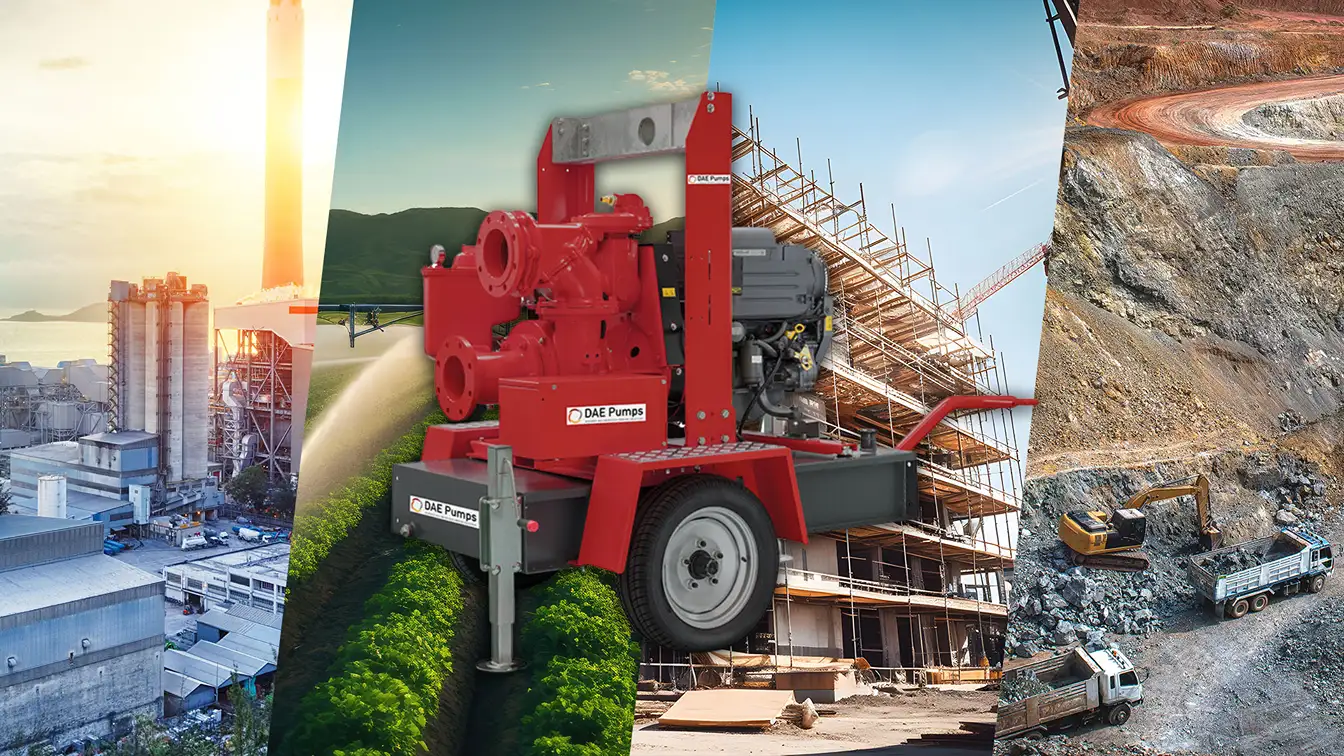
Because of their efficiency, ease of use and versatility self-priming pumps are everywhere. Businesses can make informed decisions and optimise their fluid handling processes by understanding their benefits, applications and latest innovations. DaE Pumps have a range of self-priming pumps to suit all needs, for reliable fluid management.
Contact DAE Pumps today to learn more and get expert advice on self-priming pumps and how we can help with your pumping needs.
FAQs
What is a self-priming pump?
A self-priming pump is designed to evacuate air from its suction line and pump casing, allowing it to start pumping liquid without the need for manual priming. This capability is particularly useful when the pump is located above the liquid source or when air can enter the suction line.
How does a self-priming pump work?
These pumps operate by recirculating liquid within the pump casing to create a vacuum that evacuates air from the suction line. Once the air is removed, the pump begins its normal operation, drawing liquid into the impeller and maintaining the flow of fluid.
What are the advantages of using a self-priming pump?
Self-priming pumps offer several benefits, including:
- No need for manual priming: They automatically remove air from the system, saving time and labor.
- Ability to handle air and gases: They can pump liquids containing air or gases, making them versatile for various applications.
Suitable for intermittent use: They can start and stop without the risk of losing prime, ideal for systems with variable operation.
In which industries are self-priming pumps commonly used?
These pumps are widely used in industries such as construction, mining, agriculture, and municipal wastewater treatment. They are particularly useful for applications like dewatering, sewage transfer, and irrigation, where the pump needs to operate without being submerged.
Can self-priming pumps handle solids or debris?
Yes, many self-priming pumps are designed to handle liquids containing solids or debris. This makes them suitable for applications like construction site dewatering, where the pumped water may contain sand, silt, or other particulates.
Are self-priming pumps energy-efficient?
While self-priming pumps may consume more energy than non-self-priming pumps due to their design, advancements in technology have led to more energy-efficient models. It’s important to select a pump that matches the specific requirements of your application to optimize energy use.
What maintenance is required for self-priming pumps?
Regular maintenance includes checking for air leaks in the suction line, ensuring the pump casing is filled with liquid before starting, and inspecting for debris that could clog the pump. It’s also important to ensure that the pump is properly lubricated and that seals are in good condition to prevent leaks.
Can self-priming pumps run dry?
While self-priming pumps can operate for short periods without liquid, it is not recommended to run them dry for extended periods. Running a pump without liquid can cause excessive heat buildup, leading to damage to the pump components, such as the impeller and seal.
How do I install a self-priming pump?
Installation involves placing the pump above the liquid source, ensuring that the suction line is as short and straight as possible to minimize air entrapment. The pump casing should be filled with liquid before starting, and all connections should be secure to prevent air leaks.
What should I do if my self-priming pump won’t prime?
If the pump fails to prime, check for air leaks in the suction line, ensure the pump casing is filled with liquid, and verify that the suction line is not clogged. It’s also important to check for any blockages in the recirculation port and ensure that the impeller is free from debris.