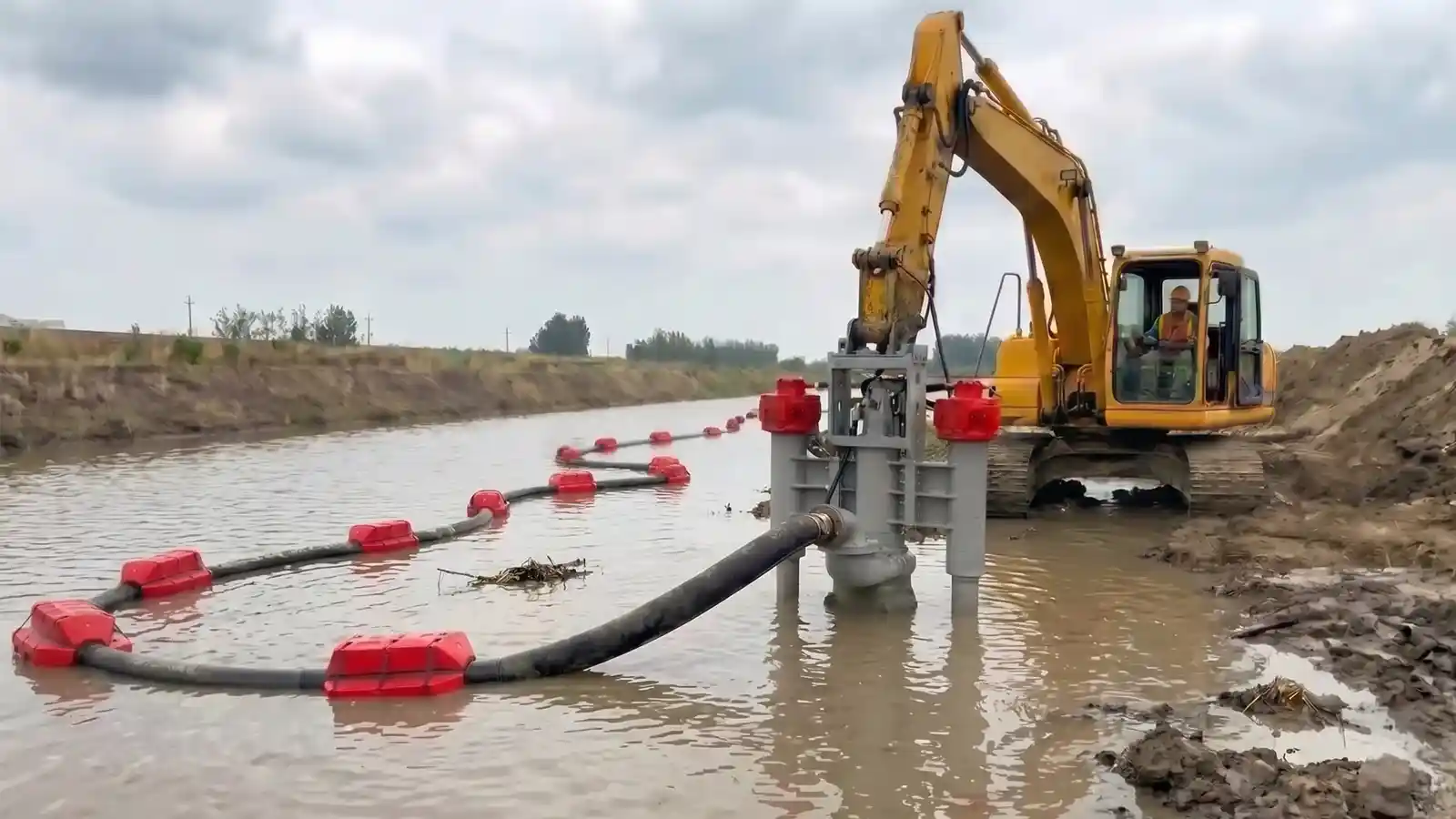
CABLE-DEPLOYED DREDGE PUMPS
Dredge Deeper.
Move More Material.
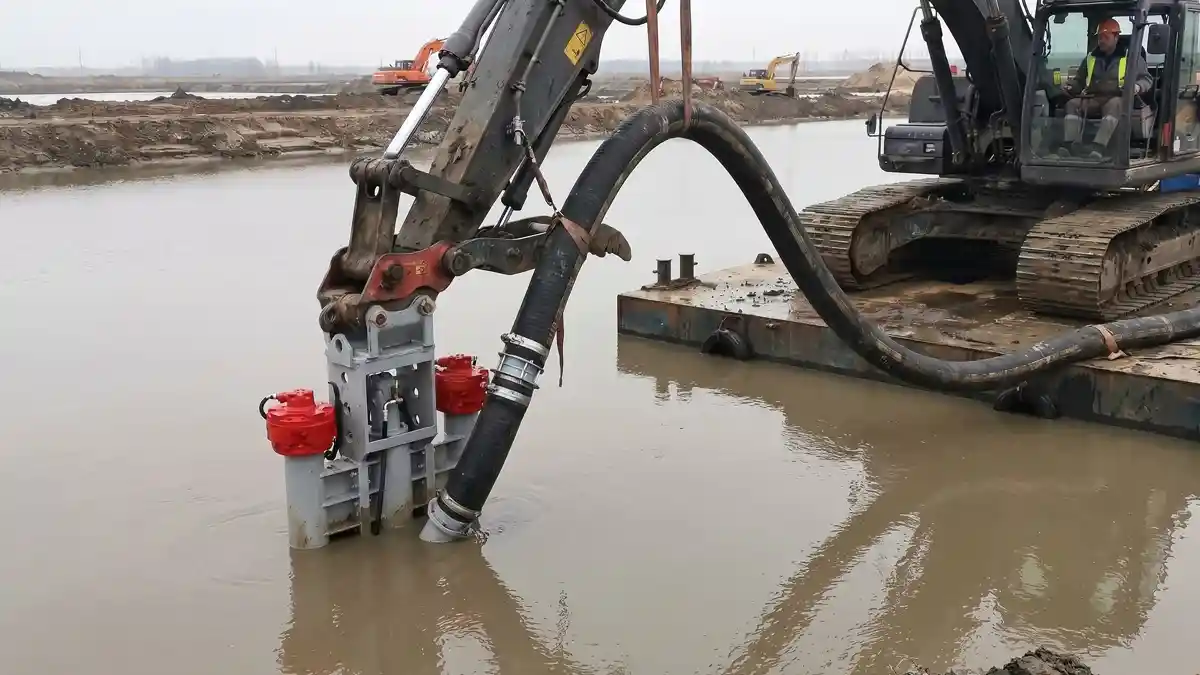
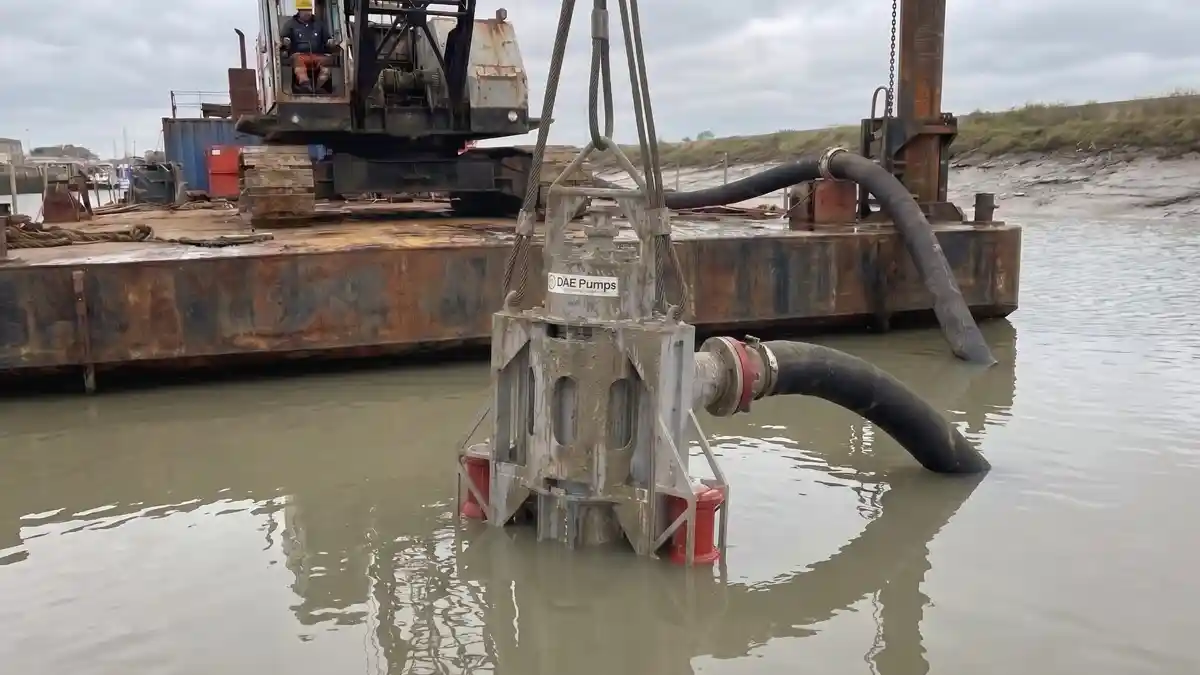
Hydraulic and electric dredge pumps for deep waterways, pits and barge unloading. Lowered by crane and cable to move sand, sludge and sediment.
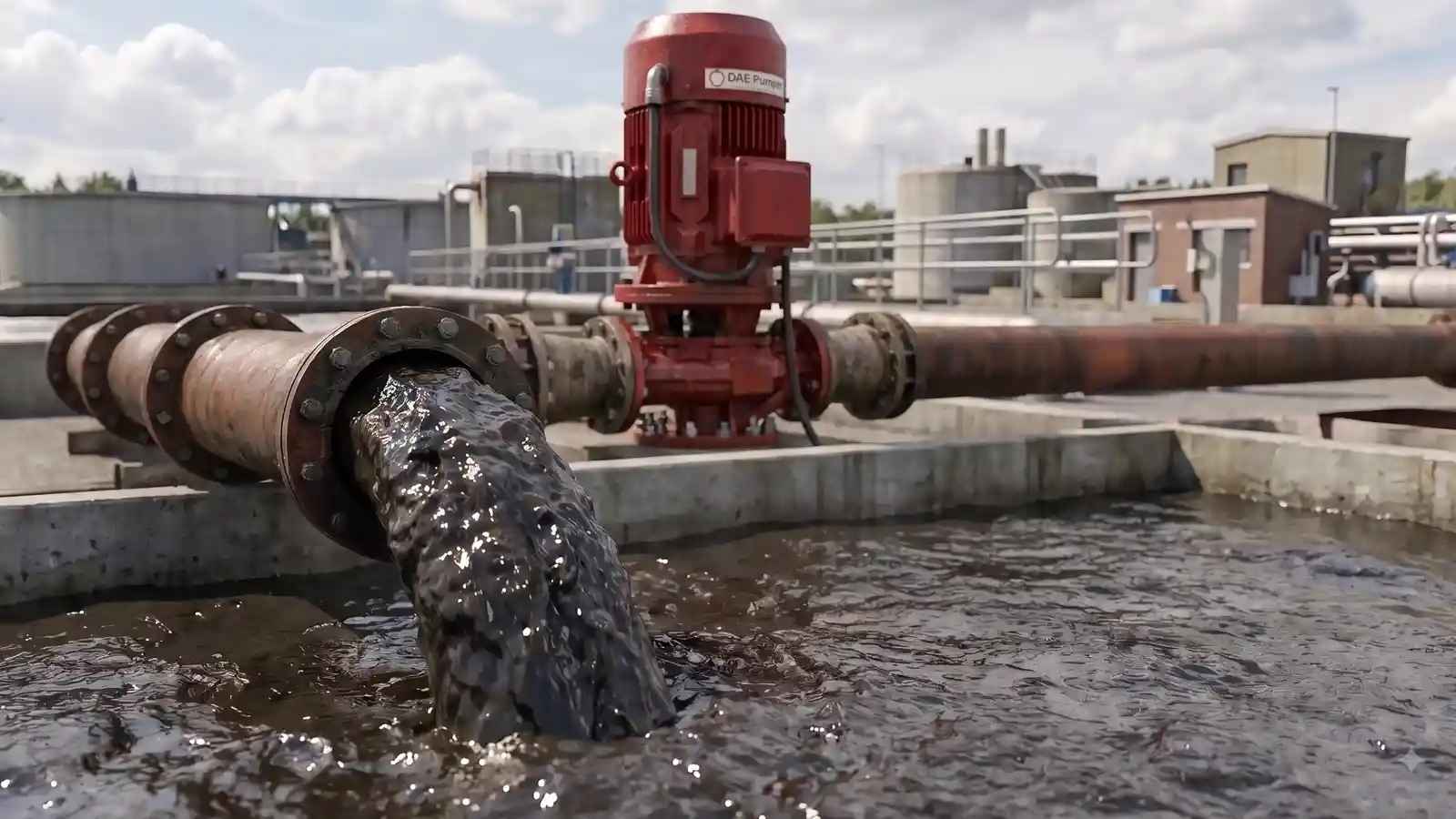
FLOODED-SUCTION PUMPS
Move Slurry From
Tank to Process.
Horizontal and vertical flooded-suction pumps that gravity-feed slurry and liquid from tanks, hoppers and storage systems into the next stage of your process.
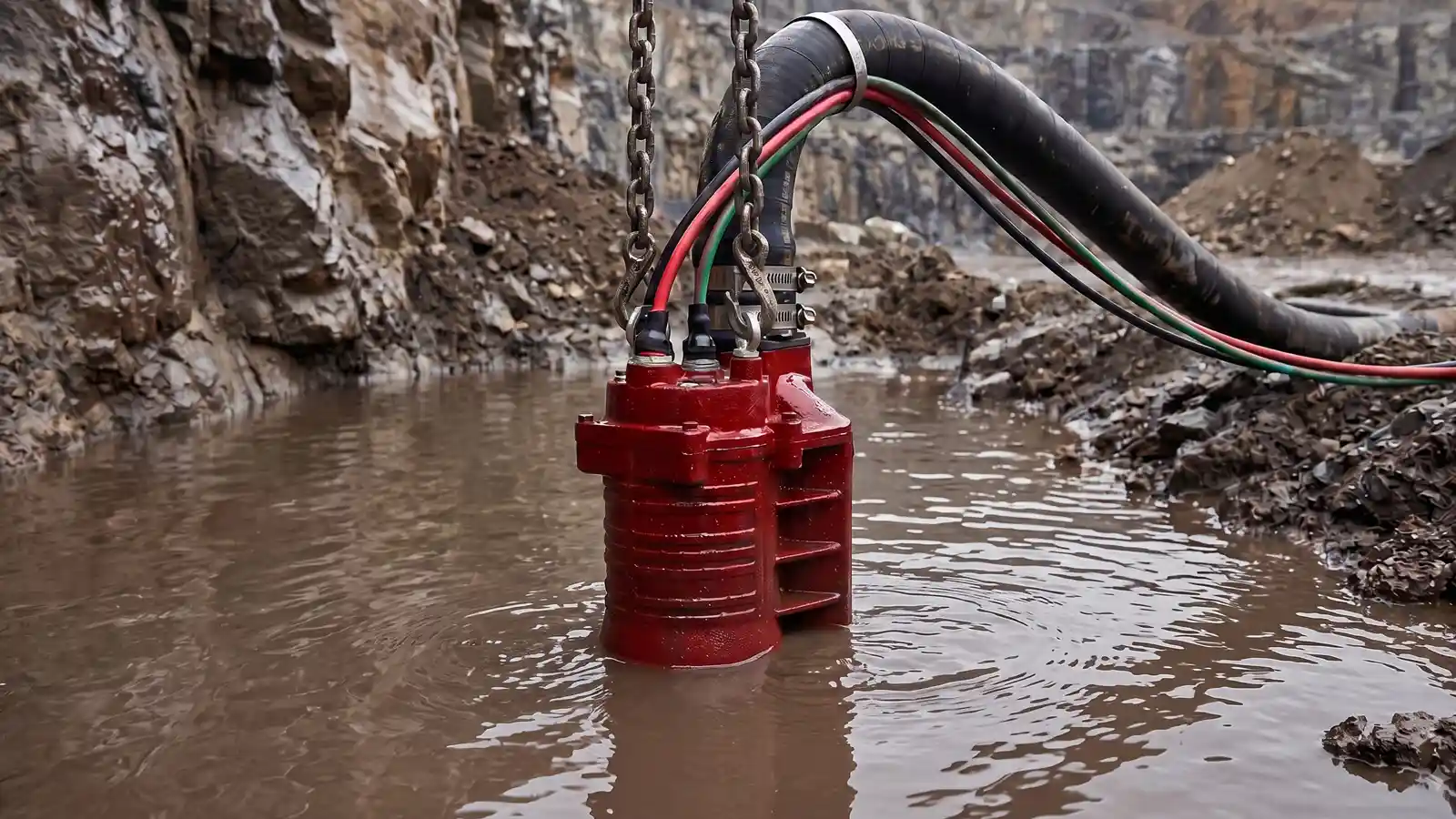
SUBMERSIBLE PUMPS
Go Below the Surface.
Move the Solids.
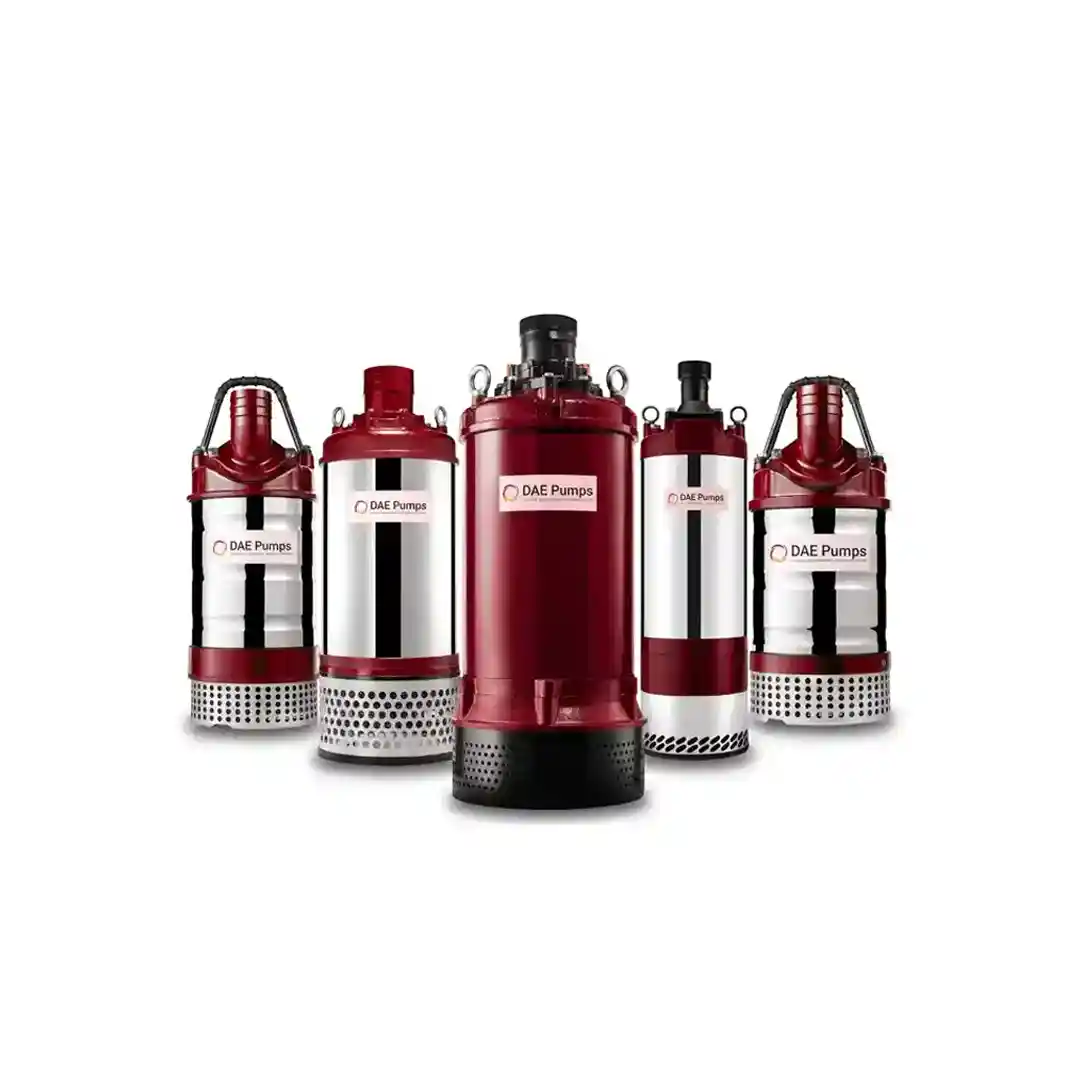
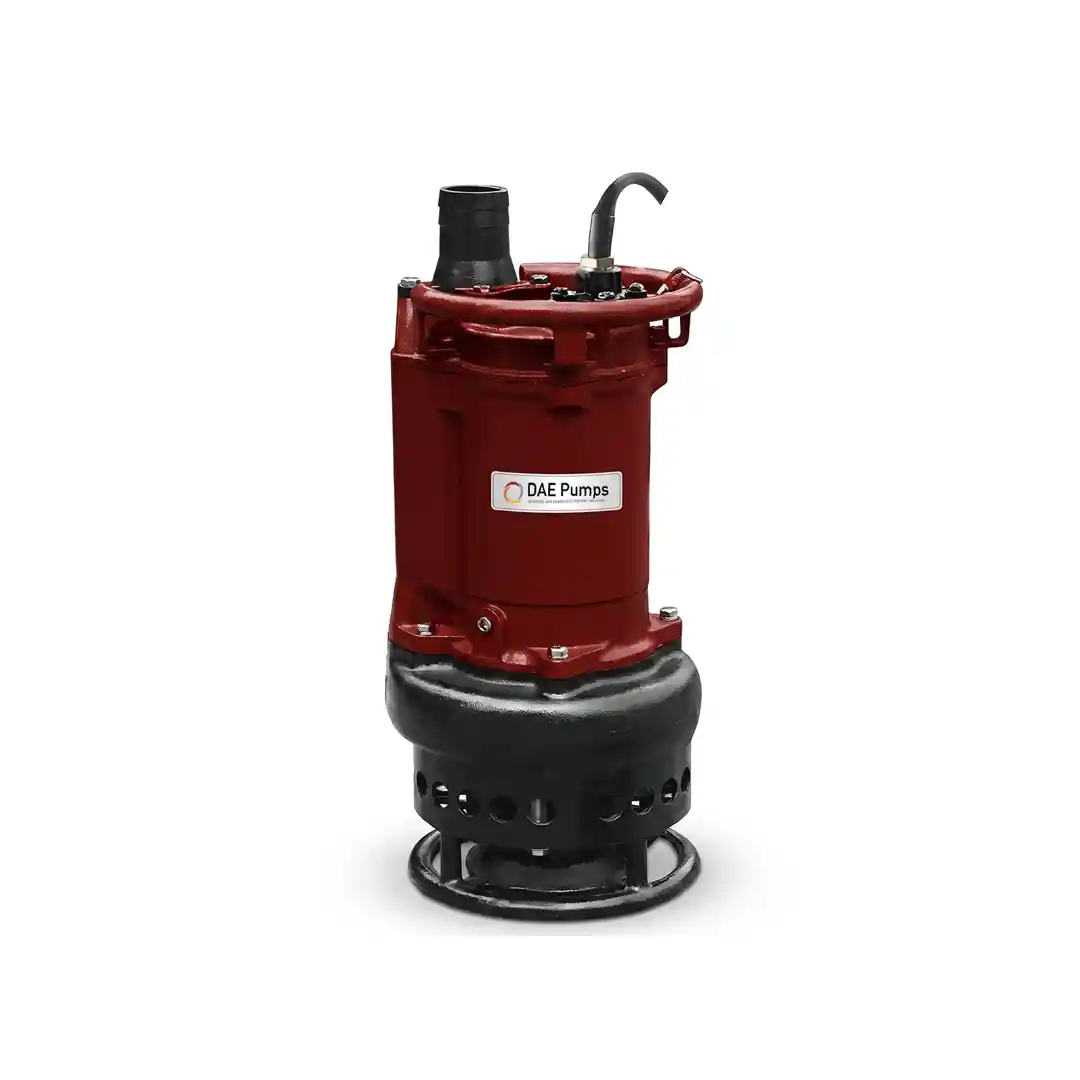
Electric and hydraulic submersible pumps for drainage, sludge, sand and slurry. Choose the range that matches your material and operating duty.
START WITH THE JOB
What do you need to move?
A one-minute starting point to the right equipment family.
Choose a material and a deployment method to see a recommended equipment family.
Recommended starting point
Equipment families
Find the right pump or dredger for the job
Start with the equipment family. From there, compare models, specifications and pump curves, then request pricing or talk to a specialist.
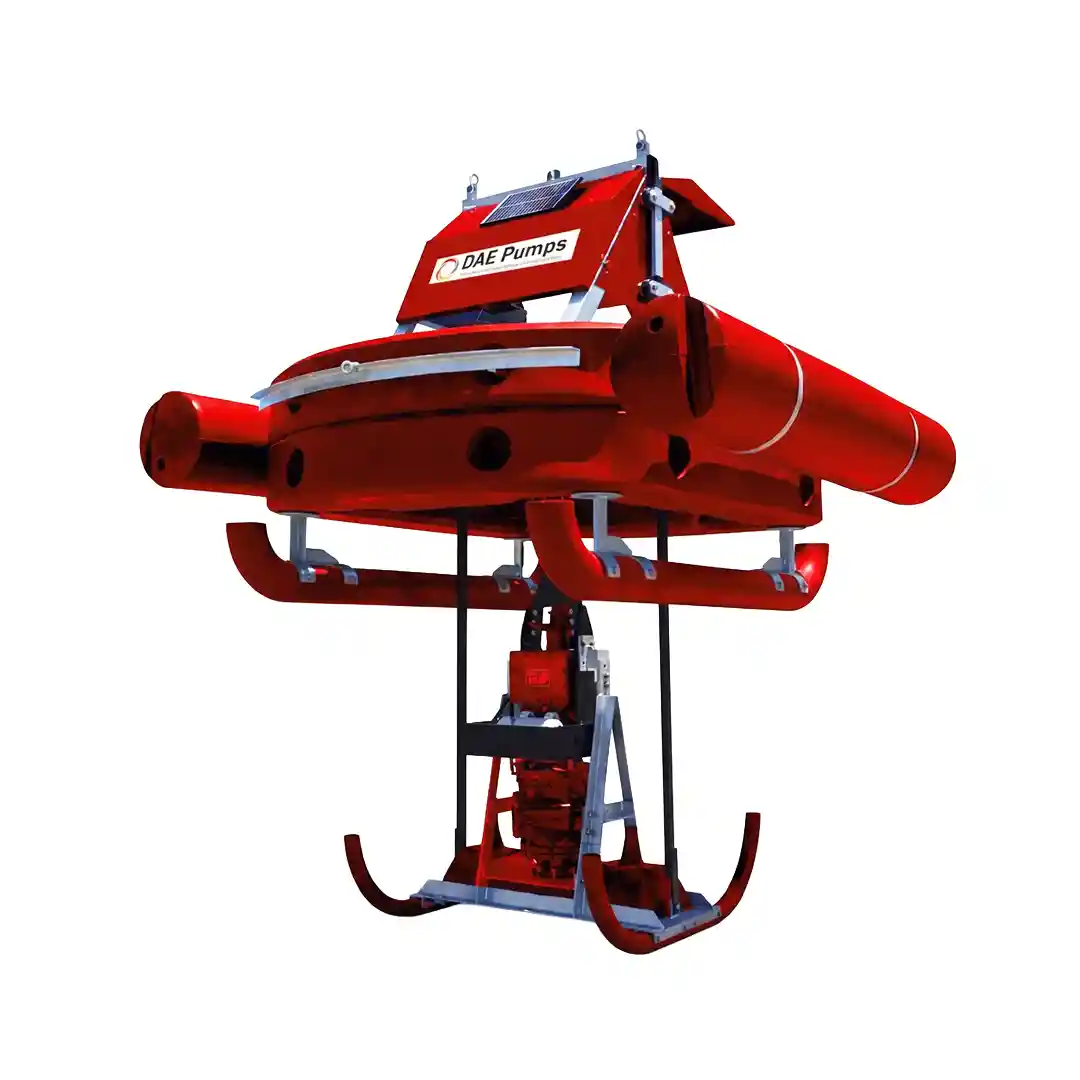
Dredgers
Self-contained sediment-removal systems for ponds, lagoons, basins and waterways.
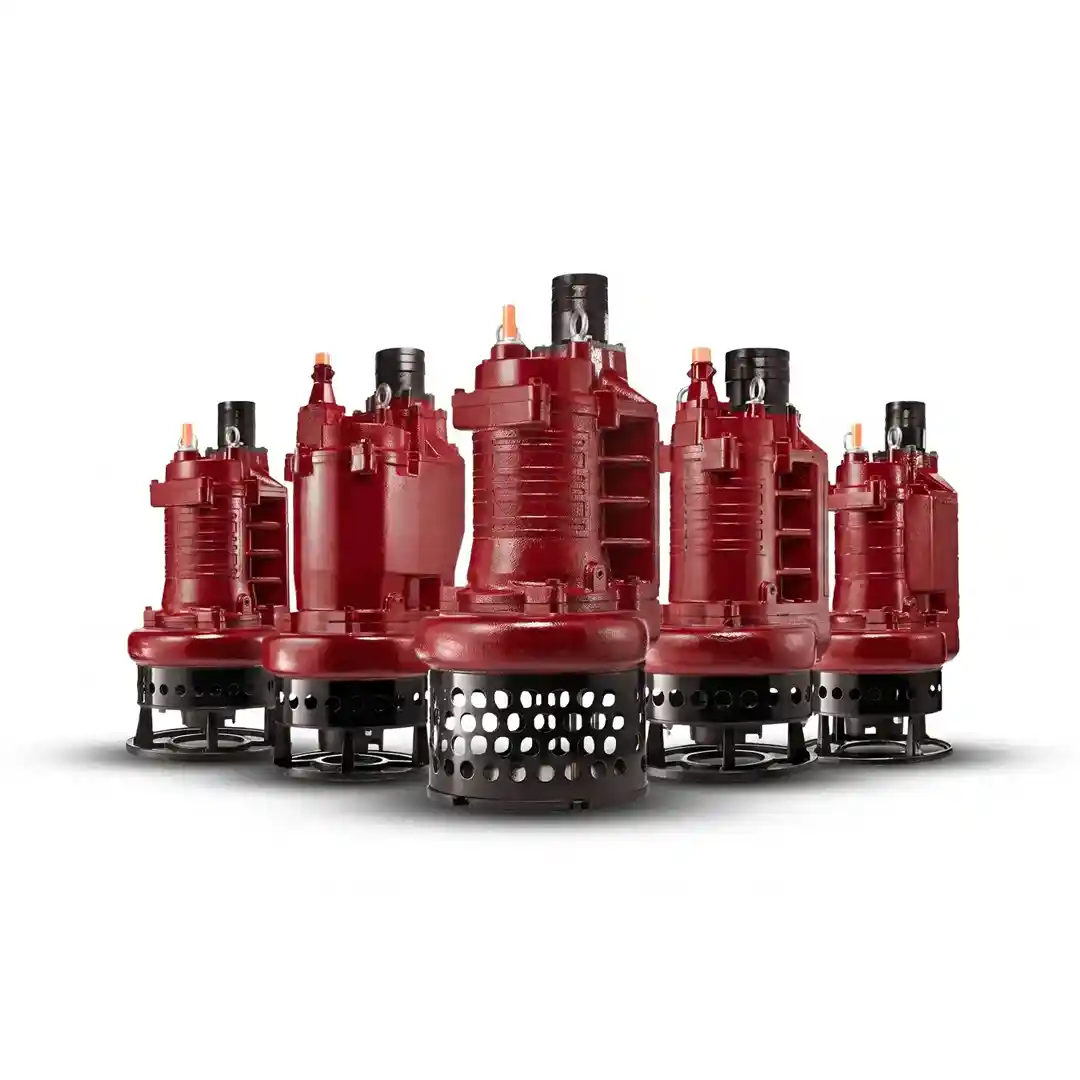
Electric and hydraulic pumps for slurry, sludge, sand and water in sumps, pits, tanks and demanding jobsites.
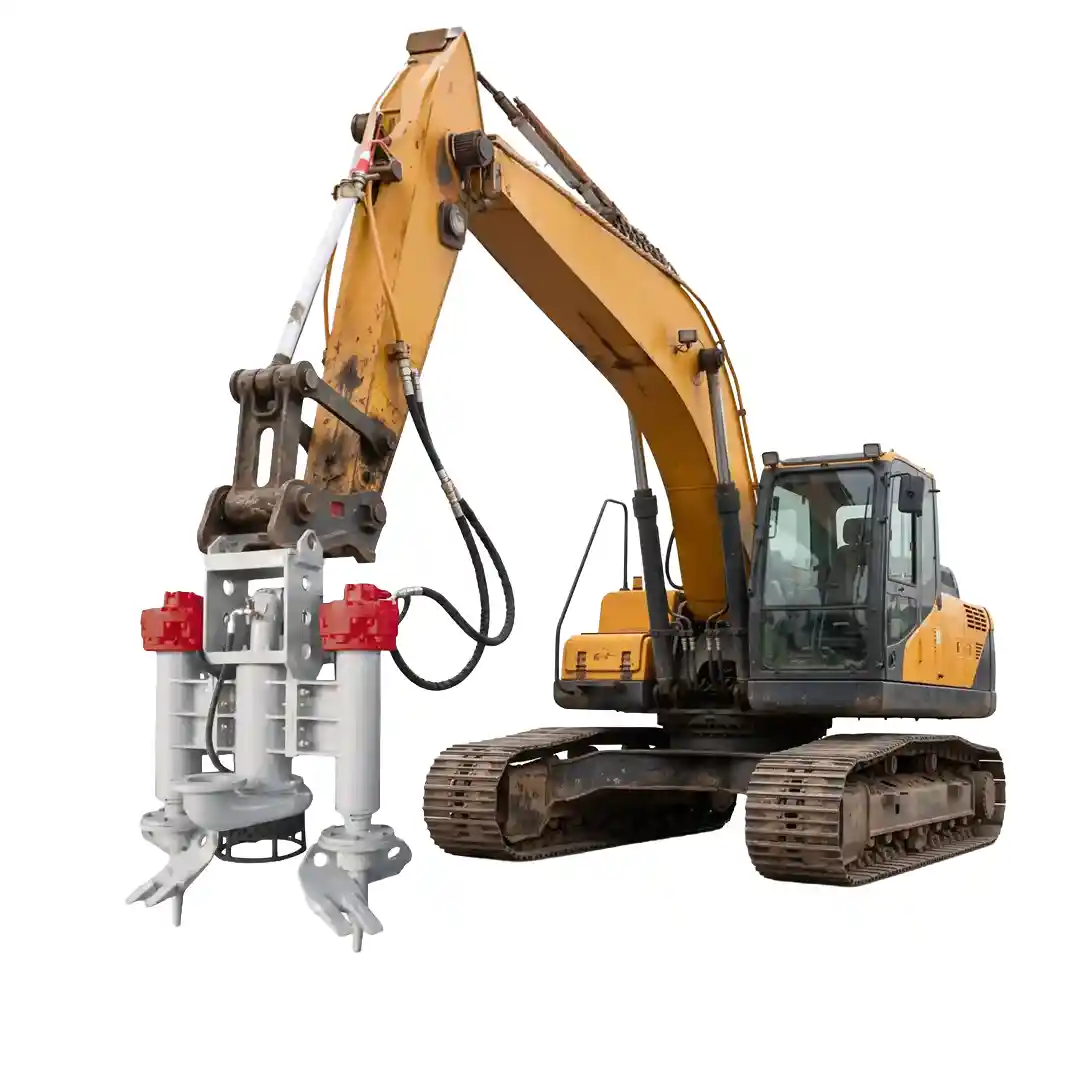
Reach and remove sediment with a dredge pump mounted to your own excavator.
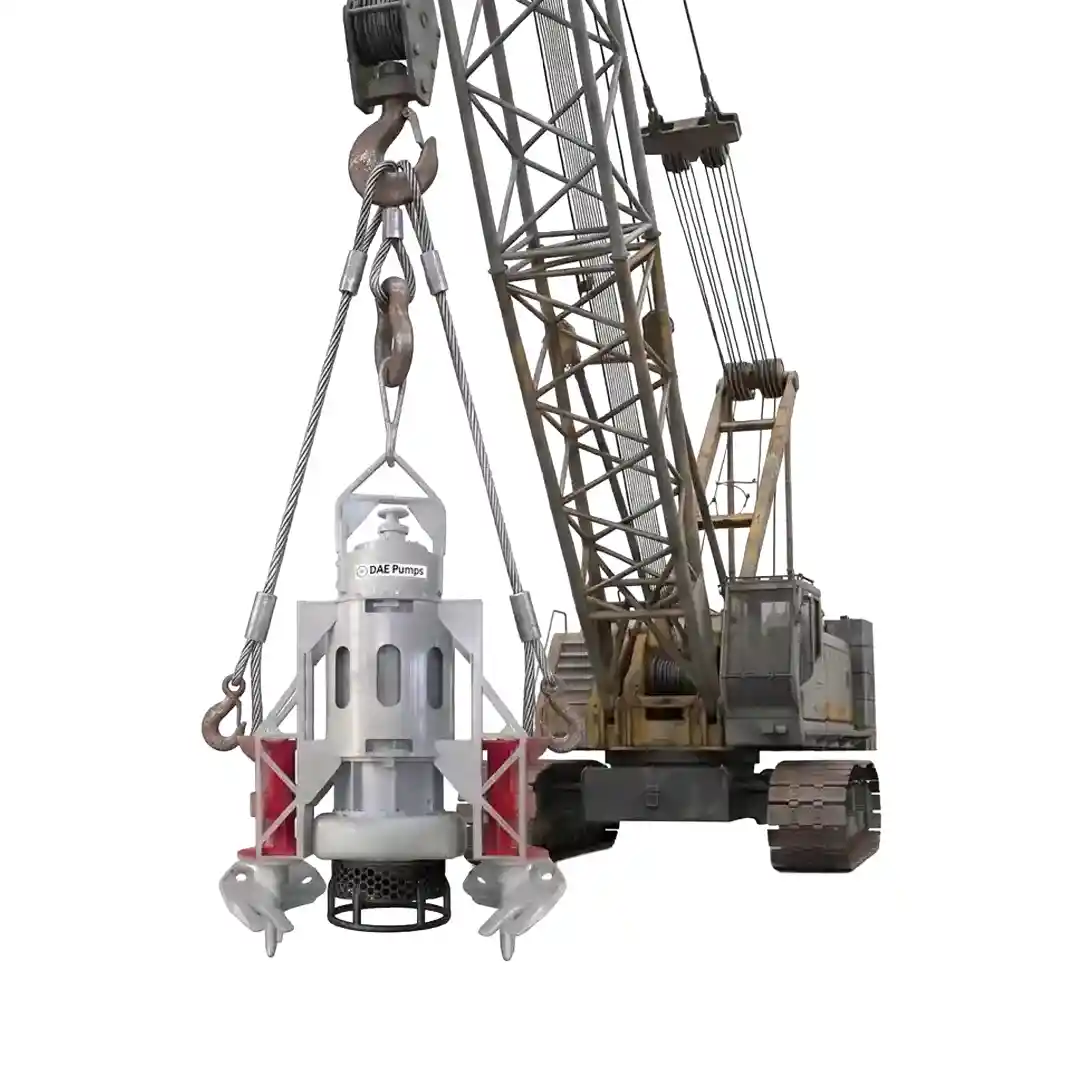
Lower a dredge pump into deep or hard-to-reach material from a crane or cable system.
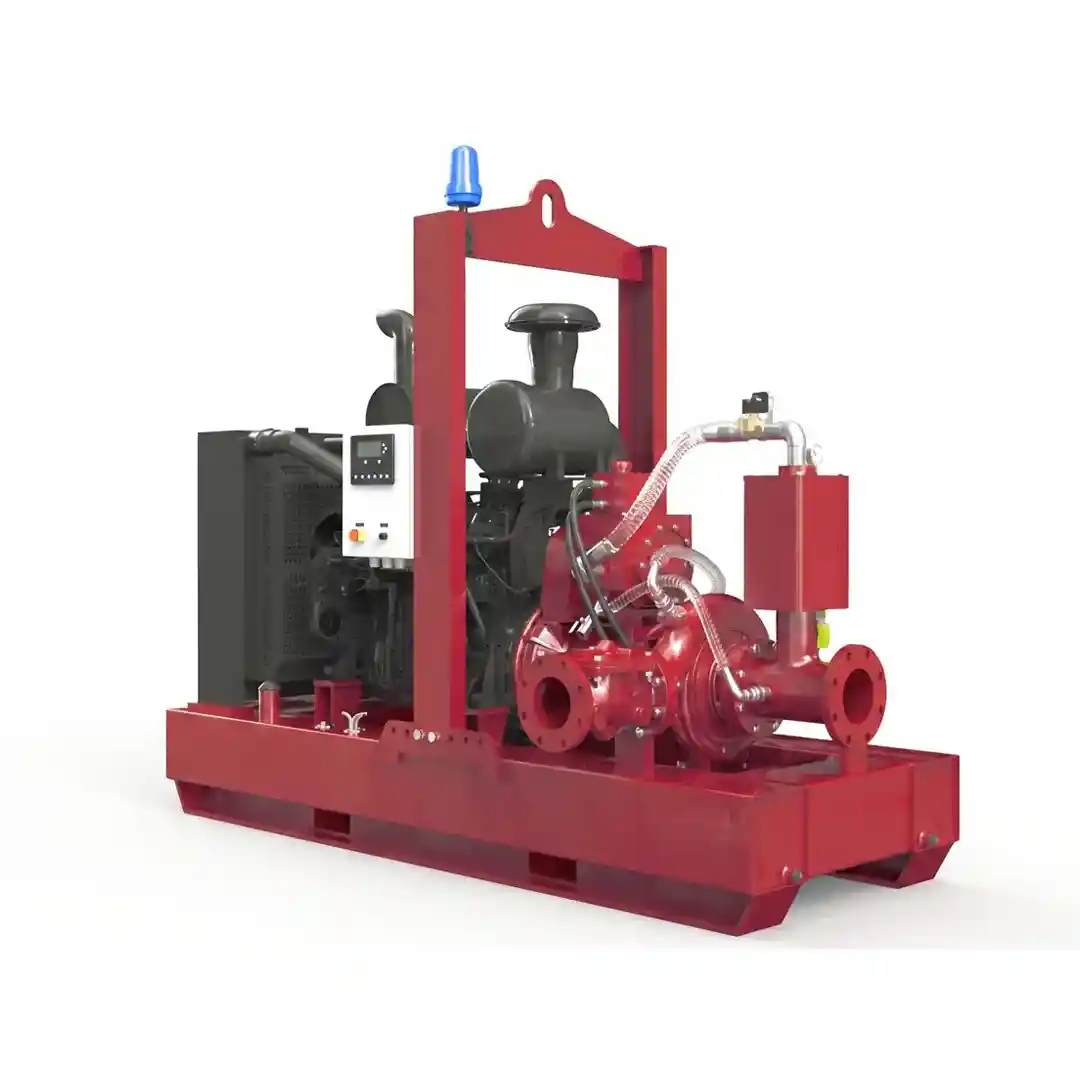
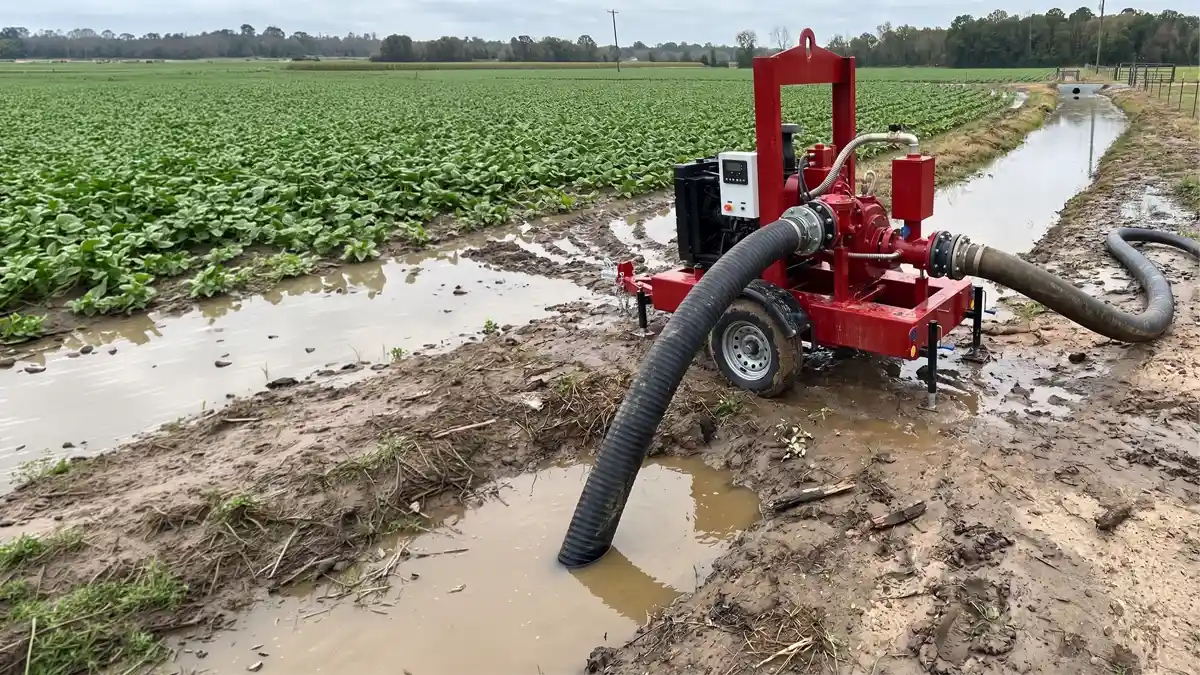
Portable surface pumping for construction, bypass, flood response and site water.
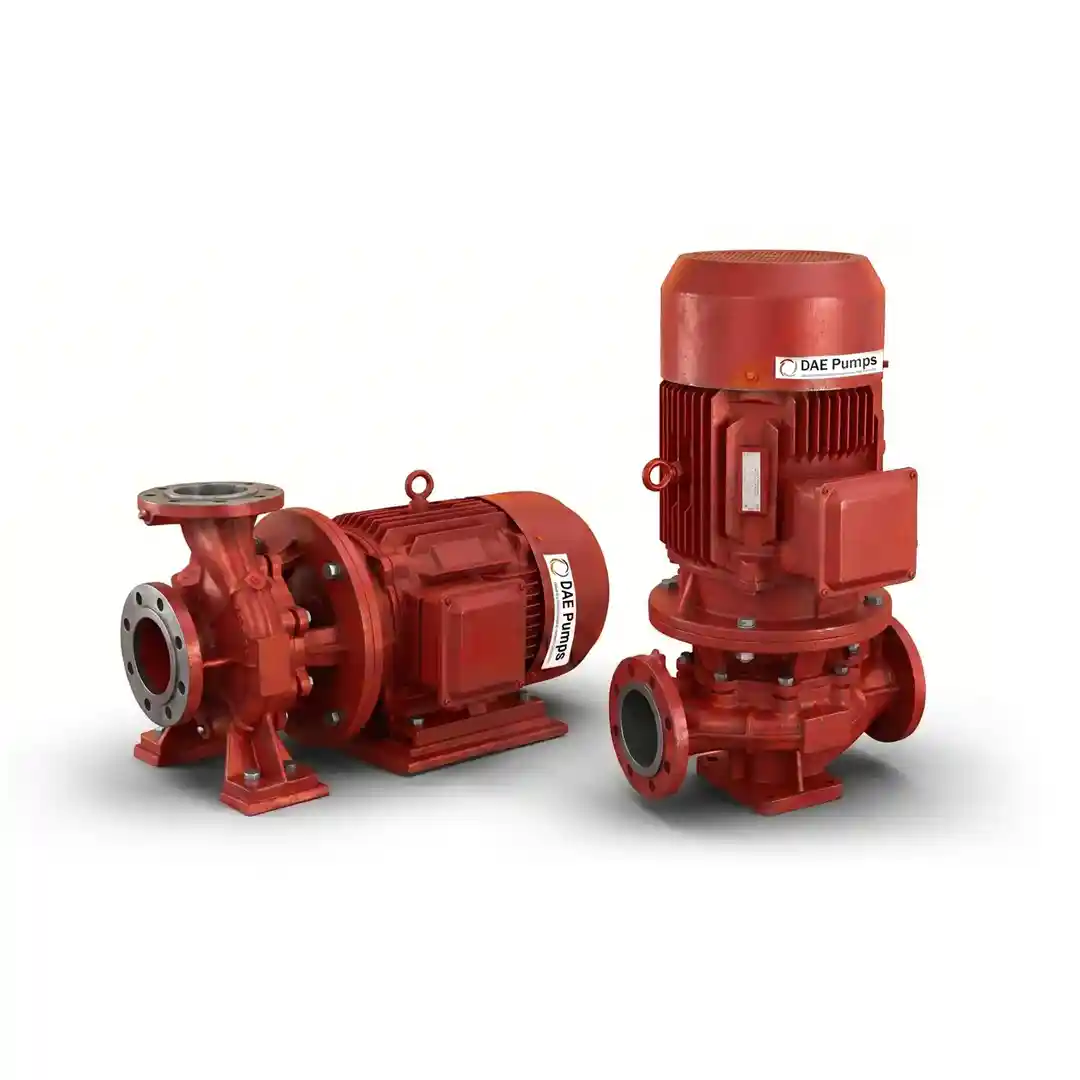
Practical transfer solutions where the liquid source sits above the pump.
Supporting system equipment: generators, hydraulic power units, hoses, HDPE pipe, floats, variable frequency drives and flow meters. Browse system equipment
Not sure which family fits?
BUY OR RENT
Buy or Rent Equipment
Tell us the material, the duty and the schedule. Our team will help you choose the right path.
01 / BUY
Buy equipment
Purchase pumps, dredging equipment, and accessories for your operation. Our sales team will help you choose the right system.
02 / RENT
Rent equipment
Rent pumps and dredging equipment for the length of your project. Share your timeline and site conditions and we will recommend a setup.
Choose by application
Pump and Dredging Equipment by Application
Start with your environment and material. Each application links to practical guidance, the equipment families that usually apply, and a sizing request that carries your details forward.
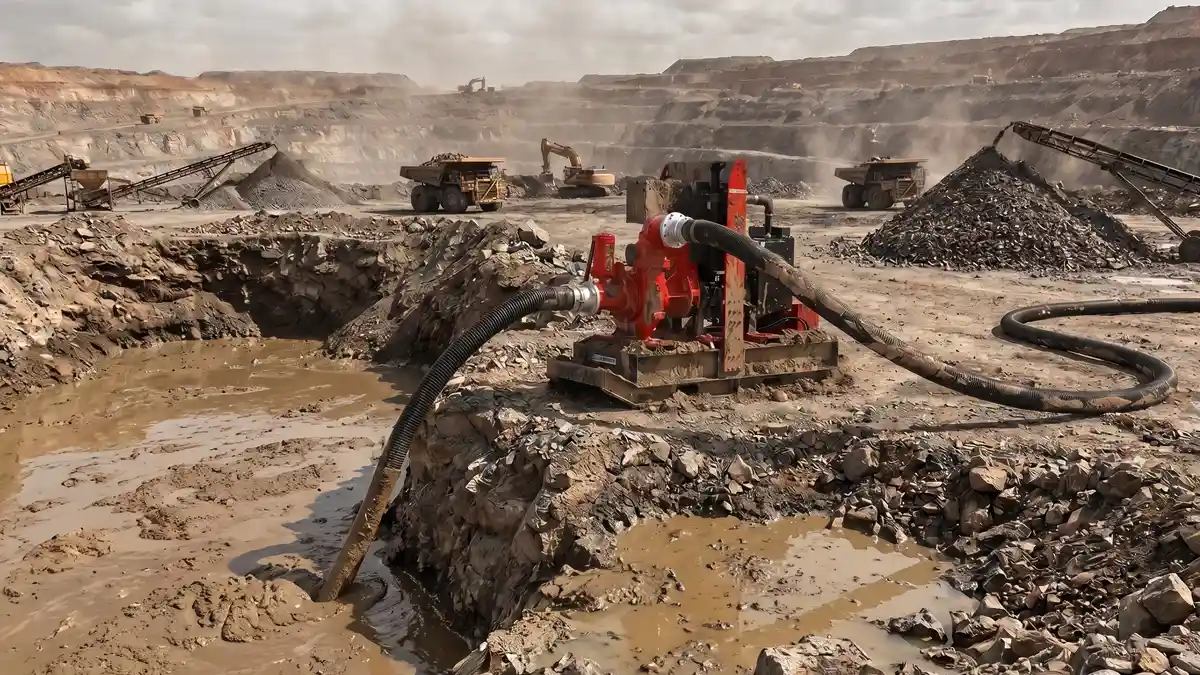
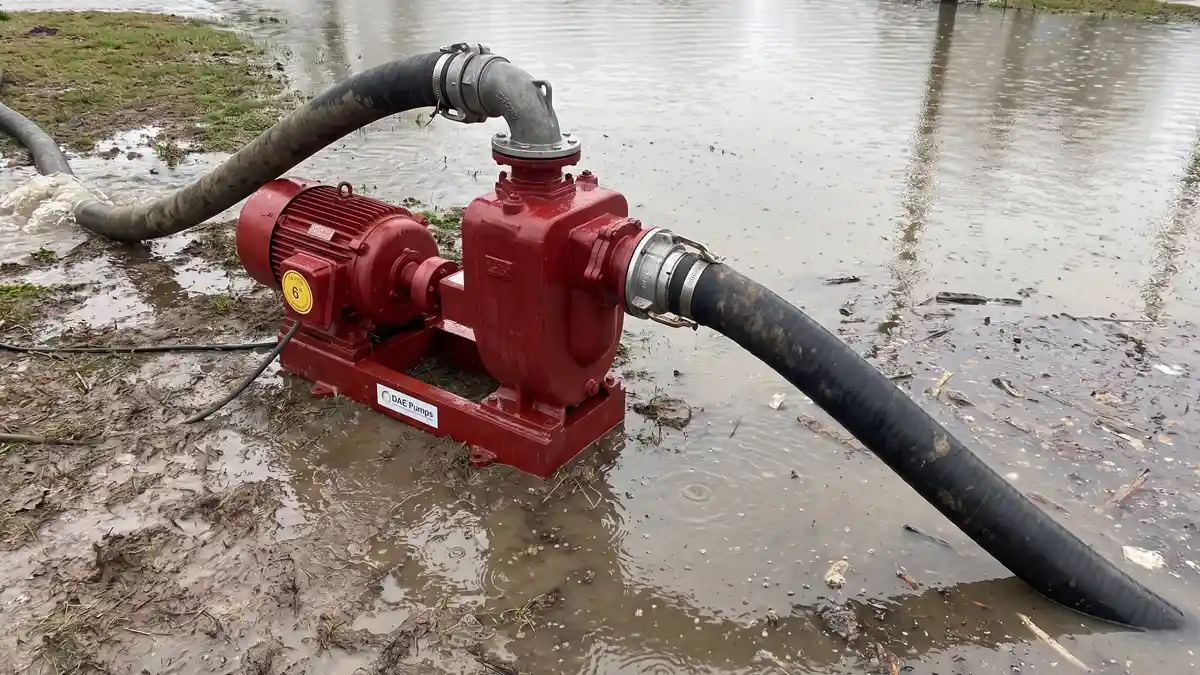
APPLICATION FOCUS
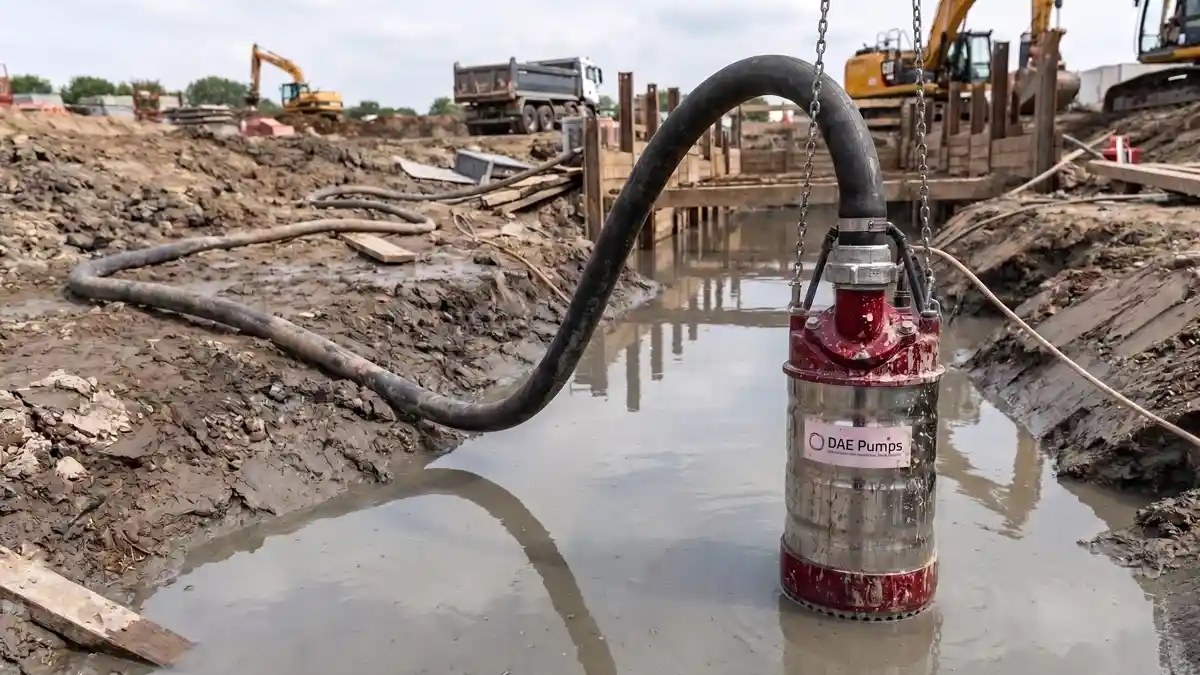
Lift stations, treatment facilities and emergency response.
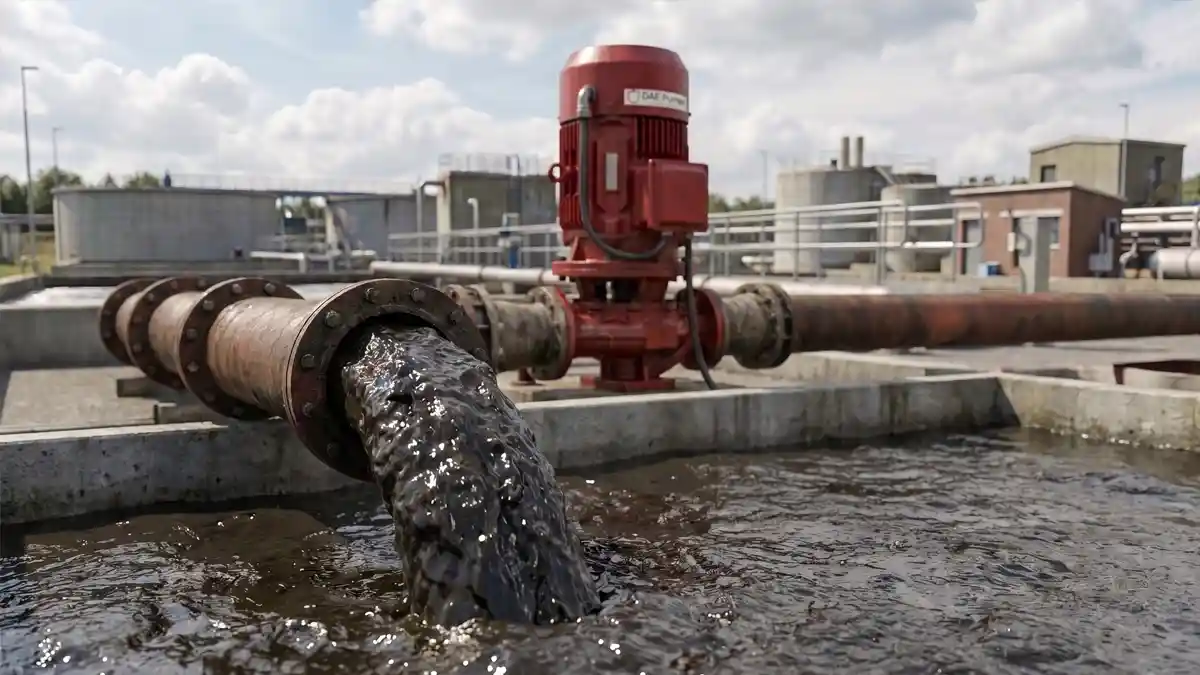
APPLICATION FOCUS
Industrial sites
Tanks, process areas, plant maintenance and cleanup.
Complete working systems
Beyond the pump: build a complete pumping or dredging system
Once you know which equipment you need, DAE can bring the supporting pieces together around the same operating goal.
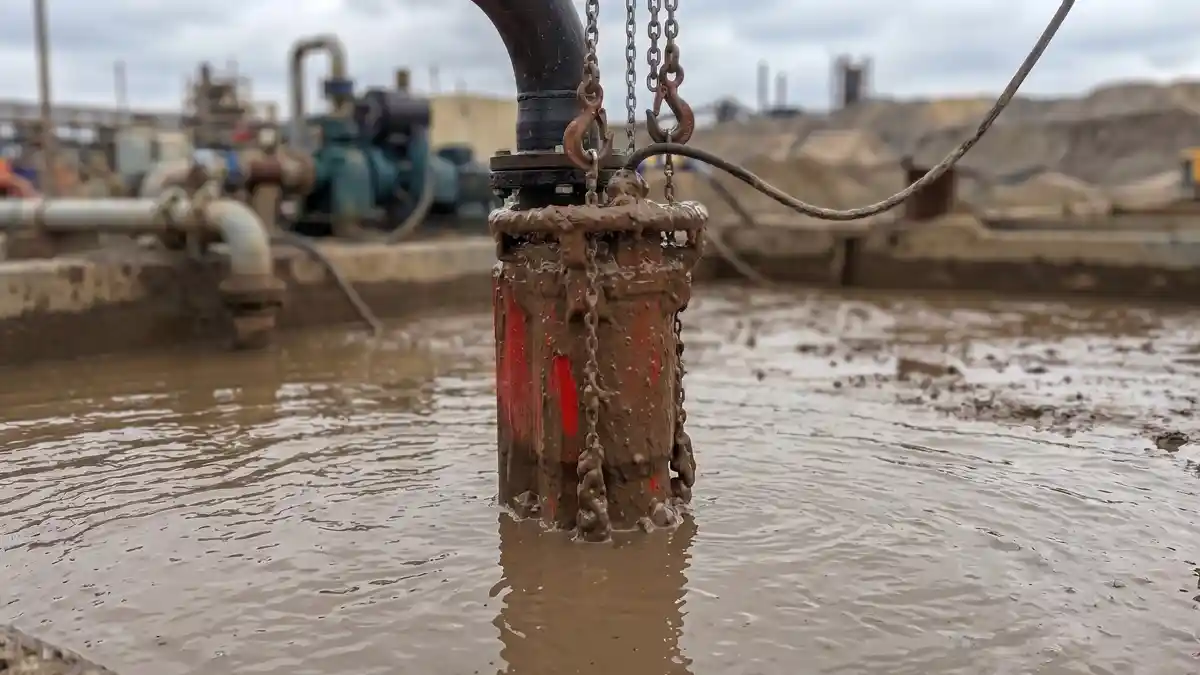
01
Pump
Family and model matched to your material, duty and deployment.
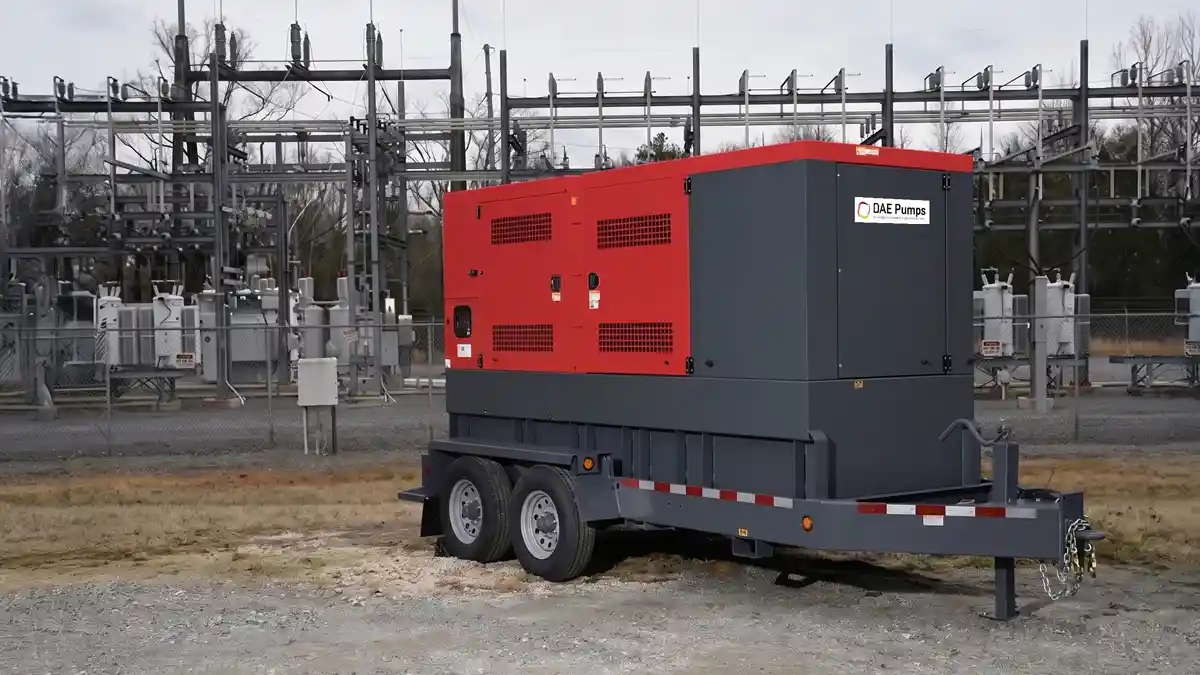
02
Power source
Generators and hydraulic power units sized to the pump.
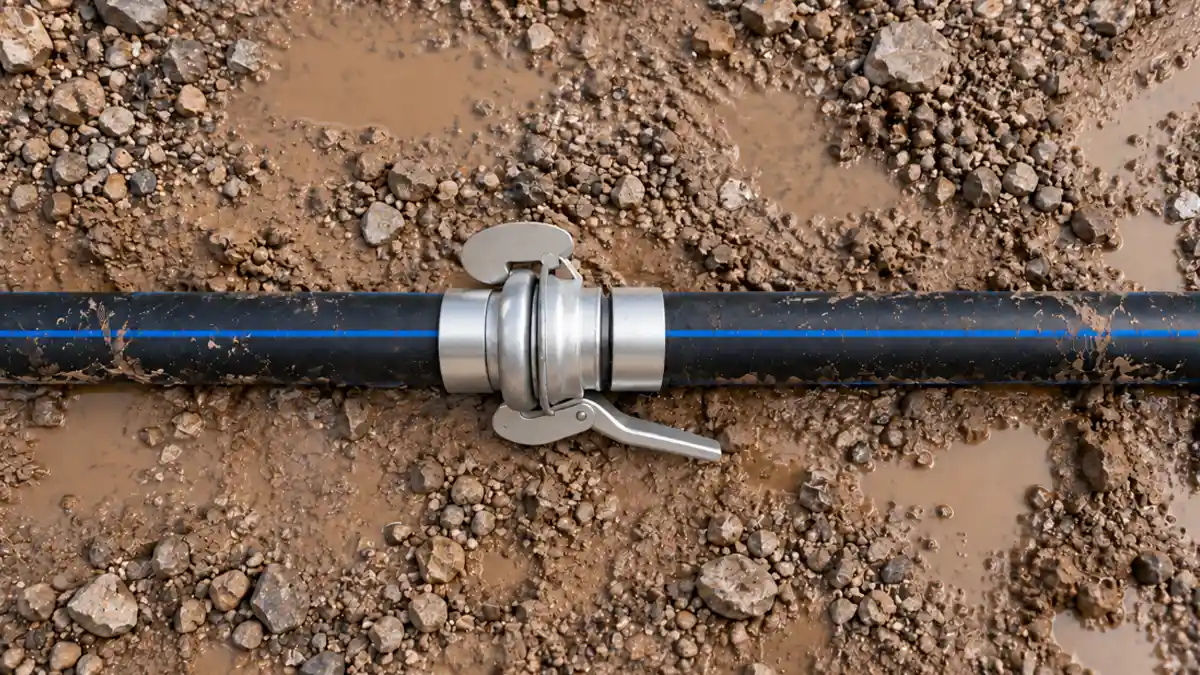
03
Hose, floats and fittings
Dredge hose, HDPE pipe, floats and connections for your discharge route.
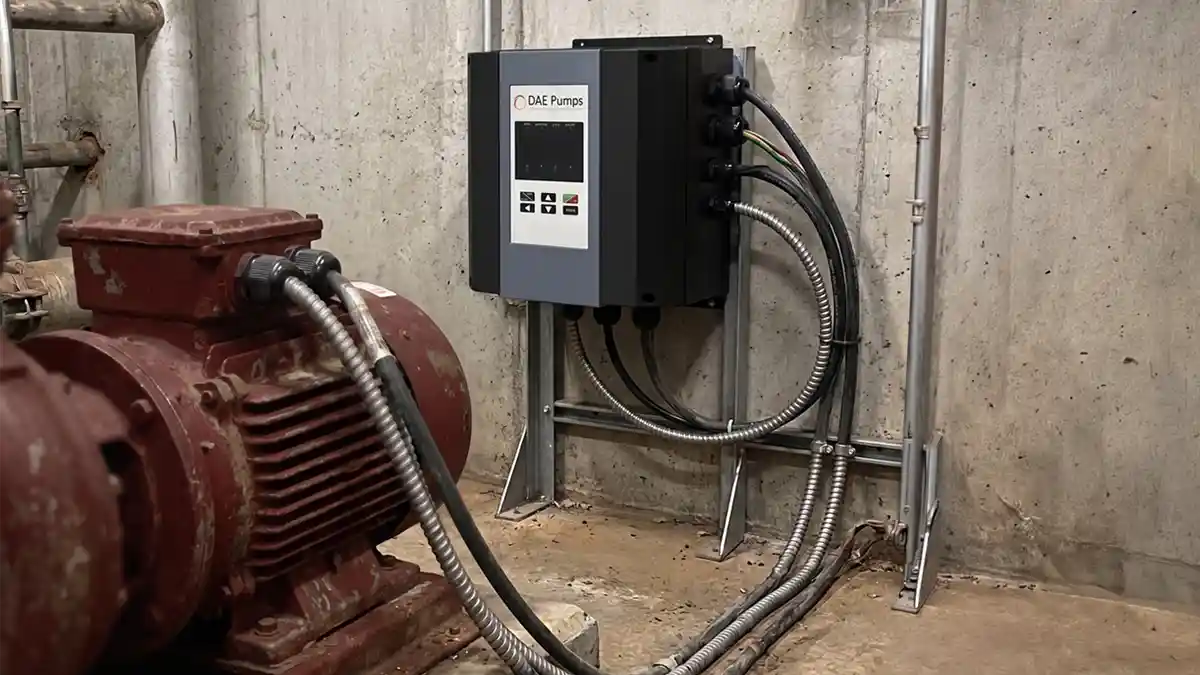
04
Controls and monitoring
Drives and flow meters to run and monitor the job.
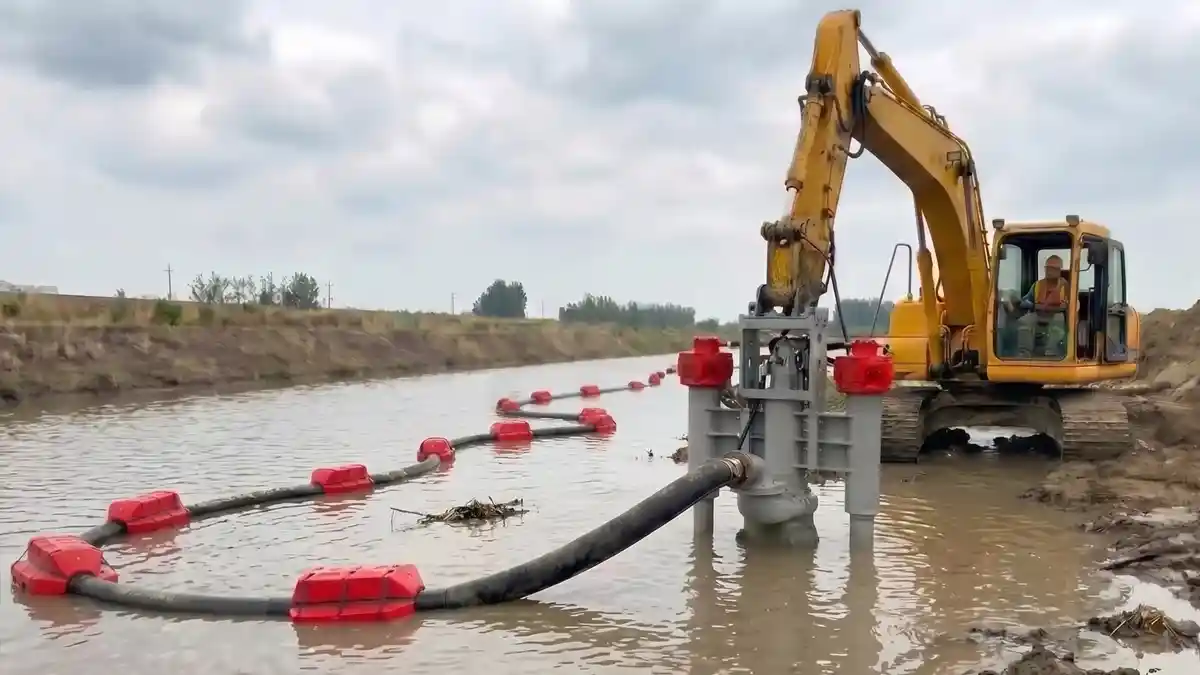
05
Deployment or dredging equipment
Excavator attachments, cable deployment and dredgers to put the pump where the material is.
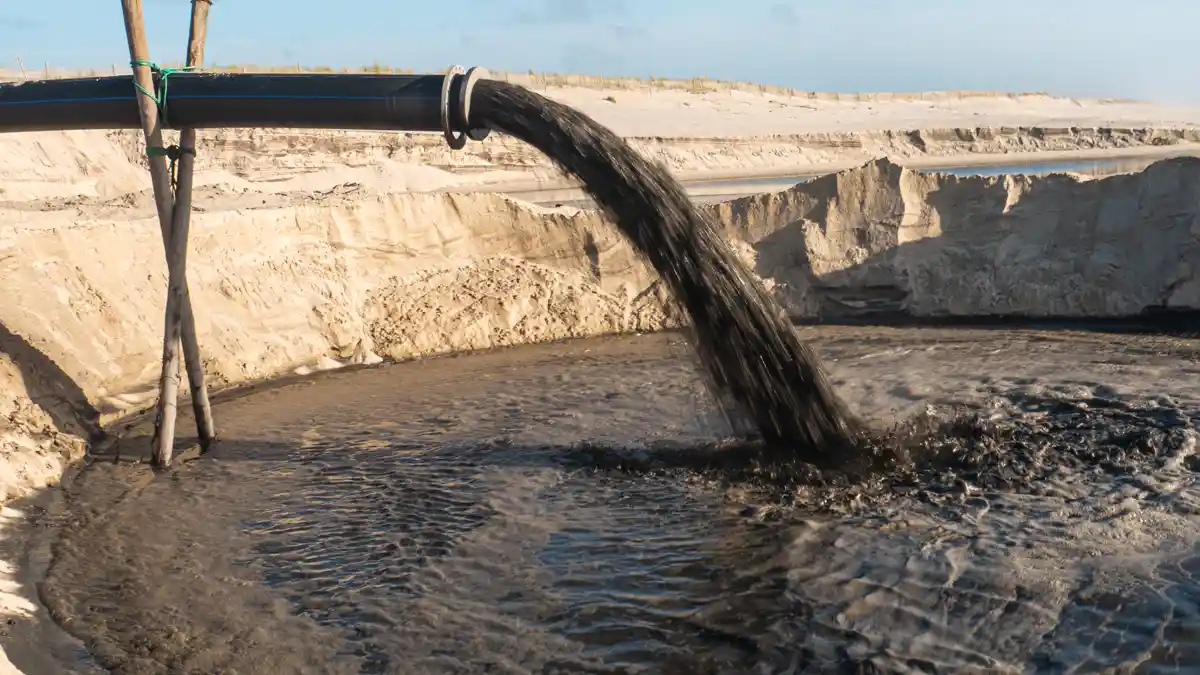
06
Discharge planning
Distance, elevation and the receiving destination, planned before equipment is chosen.
Planning more than one component?
A better way to select
How to Select a Pump in Four Steps
Useful recommendations begin with the application, not a generic product list.
01
Define the material
Water, solids, particle size, concentration and temperature.
02
Map the duty
Required flow, vertical lift, discharge distance and elevation changes.
03
Choose deployment
Portable, submersed, cable-deployed or excavator-mounted.
04
Confirm the system
Review the pump curve, power, hose, controls and availability.
Support and technical resources
Pump Specs, Curves and Selection Resources
Practical tools and verified information to take you from research to a confident equipment conversation.
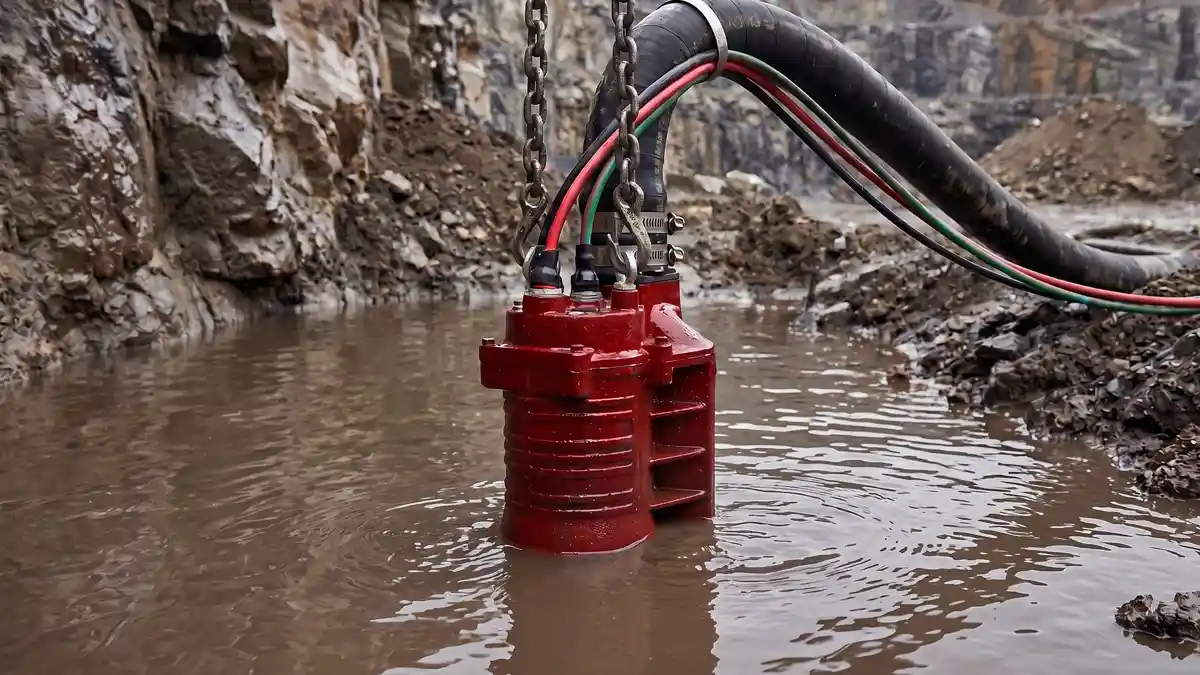
Technical
Product specs and pump curves
Compare verified operating data and performance.
Guide
Pump selection guide
The questions that shape equipment selection.
Worksheet
Duty-point worksheet
Record your flow, elevation and system information.
Bring us the job. We will help narrow the equipment.
Whether you are replacing a pump, planning a dredging project or responding to an urgent dewatering need, start with what you know.
- Pump sizing help: Share your operating conditions and we will help narrow the family and model.
- Parts and accessories: Keep equipment working with the right components.
- Rental guidance: Match equipment to your project length and schedule.
- Documentation: Specs, manuals, startup documents and pump curves. Startup documents
Frequently asked
Common questions before selecting a pump
Need an answer for a specific job? Our team can help.
What information is needed to size a pump?
To size a pump, gather the material you are moving, the flow rate you need, the vertical lift, the total discharge distance, the hose or pipe size, the solids content (including particle size if you know it) and the power you have available. These details point to a realistic pump family and duty point. Site photos or a simple layout sketch help the DAE team confirm the setup. Send what you have through the quote form and a specialist will help with the rest.
Should I buy or rent equipment?
It depends on how long you need the equipment and how often you will use it. Buying suits ongoing or repeated work. Renting suits a single project or period. Tell our team the material, the duty, and the schedule, and we will compare both options with you.
What is the difference between a dredge pump and a dredger?
A dredge pump is the pumping component that moves sediment, sand and water through a hose or pipeline. A dredger is a complete system that combines a pump with a deployment platform or equipment designed to remove and transport sediment. If you already have an excavator or crane, a dredge pump may be all you need. If you want a self-contained sediment-removal solution, ask about a dredger.
Can DAE provide a complete pumping or dredging system?
Yes. DAE can help you evaluate the pump, power source, hose, floats and fittings, controls and monitoring, deployment or dredging equipment, and discharge plan as one operating system. Planning the whole system together helps make sure each component works with the others. Use the quote form or call (760) 821-8112 to discuss your system.
How do I select a pump for slurry, sand, sludge, or sediment?
Start with the material and how the equipment will be deployed. For slurry, sand and sludge in pits, sumps and tanks, submersible slurry pumps work directly in the material. For sediment in ponds, lagoons and waterways, dredgers and dredge pumps can be deployed from an excavator or a cable. For portable surface pumping and dewatering, self-priming pumps are the usual starting point. Particle size, solids concentration and abrasiveness all affect the choice, so confirm them with a DAE specialist before you choose a model.
FROM PROJECT DETAILS TO A WORKING PLAN
The right pump starts with your job.
Tell us what you need to move, where it needs to go, and what the site demands. We’ll help you identify the next step.
01
The material
Water, solids, or slurry
02
The duty
Target flow and total head
03
The site
Access, power, and route
A DIRECT LINE TO DAE
Let’s talk through the job.
Selection questions, project details, or a model you already have in mind.
Call our team
Email your project