


Flooded Suction Pumps
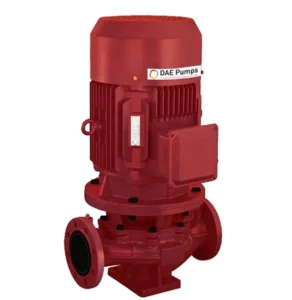
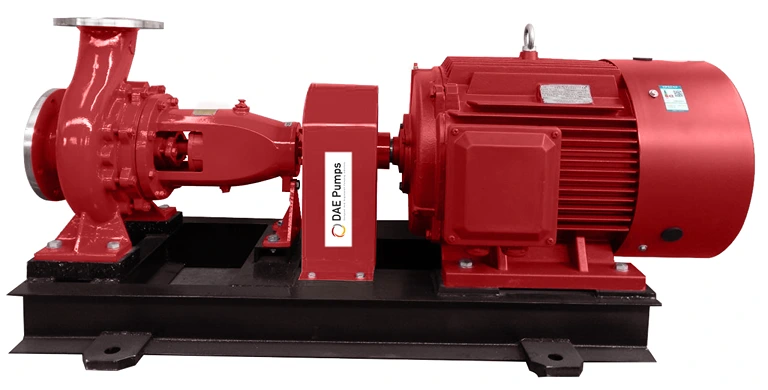
Flooded suction pumps, both vertical and horizontal, move slurry and liquid from tanks, hoppers, and other storage systems to another system. A flooded suction pump is installed on the outside and towards the bottom or below the liquid. The liquid uses gravity to feed the flooded suction pump, always keep it primed. Priming a pump is crucial in its operation. Flooded suction pumps offer many advantages, but they also have certain limitations, making them suitable for specific applications. Because the chamber and piping inside the pump are always filled with water, starting and stopping flooded suction pumps are quick and easy. The horizontal pump style is more common than the vertical pump style. Horizontal flooded suction pumps offer easy maintenance. The vertical design is offered when working with limited installation space.
DAE Pumps designs and engineers top-of-the-line heavy-duty vertical and horizontal flooded suction pumps with non-clog impellers and reliability you can trust. We build quality pumps to the industry’s top requirements at affordable prices. Contact us today for help selecting a pump!
Get Pricing
Get Pricing on our Mini Pontoon Dredge Pumps

We Are Here To Help!
For help selecting a pipe float, hose, or pump, call us at (760) 821-8112 or submit a request today.

Flooded Suction Pump Features and Benefits
Features
- Capable of Pumping Wide Array of Materials
- Large Selection of Pumps and Configurations
- Pump Abrasive and Gritty Material with Ease
- High Tolerance Between Impeller and Pump Casing, Allowing Larger Solids
- Low Maintenance
Advantages
- Always primed because the liquid is gravity fed directly into the pump
- Easier and quicker to turn on and off
- Highly efficient because they do not need to use too much energy suctioning liquid to the pump
- Easy to access and maintain since they are mounted outside of the tank or hopper
Disadvantages
- No way to completely block off the suction within the pumping chamber unless there is a separate suction valve when doing repairs
- Too thick of mixture can cause air pockets and cause the pump to lose prime
- The consistent liquid in the pumps and pipes cause corrosion
Applications of Flooded Suction Pumps
Flooded suction pumps are highly versatile and find use in a broad spectrum of industries and applications. Their ability to handle large volumes of fluid efficiently makes them ideally suited for flood control, water supply, and wastewater management, where maintaining consistent fluid flow during pump operation is crucial. In industrial settings, these pumps, as well as submersible pumps, are commonly used in processes that require the transfer of water, oil, slurry, or other liquids, including gravel pumping and heavy-duty material handling. Flooded suction pump applications also extend to metering pumps, where precise and reliable fluid delivery is essential. Thanks to their robust design and efficiency, flooded suction pumps are a preferred choice for operations that demand high performance, minimal downtime, and the ability to manage a variety of fluids and challenging conditions.
Flood Pumps in Emergency Situations
In emergency scenarios such as severe flood events, flood pumps become vital tools for protecting property and critical infrastructure. These pumps are engineered to handle large volumes of excess water rapidly, making them indispensable for removing water from flooded areas and preventing further property damage or infrastructure failure. Effective deployment of flood pumps requires careful planning, including selecting the appropriate pump based on the expected flow rate, pressure requirements, and the type of fluid or debris present. By quickly and efficiently managing water levels during emergencies, flood pumps help minimize the impact of flood events, support recovery efforts, and ensure the safety of affected communities. Their ability to handle large volumes and operate reliably under pressure makes them a cornerstone of modern flood control and emergency response strategies.
Self Priming Pumps
Self-priming pumps offer a unique advantage in situations where the suction inlet may not always be submerged in fluid. Unlike flooded suction pumps, which rely on gravity to keep the pump primed, self priming pumps are designed with mechanisms that automatically evacuate air from the suction line, allowing them to draw fluid even when the inlet is temporarily above the fluid level. This makes self priming pumps especially useful in flood control and prevention applications, where water levels can fluctuate unpredictably. They are also well-suited for handling fluids with high viscosity or abrasive content, providing flexibility across a range of industrial and municipal uses. However, the more complex internal mechanisms of self priming pumps can make them more susceptible to air buildup and corrosion, and they may require more frequent maintenance compared to flooded suction pumps. Despite these considerations, self priming pumps remain a valuable option for operations that demand adaptability and reliable performance in variable conditions.
About Flooded Suction Pumps
Flooded suction pumps can be used for a variety of applications. They can be used for agriculture, oil and gas, sand and gravel pumping, mining, and many other pumping applications. Flooded suction pumps are similar to submersible pumps, other than that they are not in the liquid. These gravity-fed pumps do not require a vacuum pump for priming. Flooded suction systems consist of a pump and motor. Other equipment, such as shut off valves, piping, and control systems, are also essential to ensure proper operation and compatibility within the system. The motor is typically an electrically driven pump with a variable frequency drive (VFD). The VFD monitors the start-up and speed of the pump. It monitors how much RPM the pump is running to control the flow and pressure. Another type of motor used for these pumps, but less common, are diesel driven.
Liquid must be consistently feeding the flooded suction equipment to prevent damage. If the material is too thick, too much air can build up, and a vacuum pump or self-priming pump may be necessary to help pull the liquid to the pump. DAE Pumps also carries a variety of self-priming pumps if this may occur.
Accessories
Get turnkey solutions that include dredge hoses, slurry flow meters, power units, tanks for the collection and storage of slurry, and more. These accessories, such as tanks, are designed to integrate seamlessly into the overall pumping process, ensuring efficient material handling and process optimization. Choose from multiple sizes of slurry hoses for the transferring of materials, wireless flow meters for measuring the flow rate in gallons per minute of liquid, and power units for operation. Parts are always in stock and available for immediate shipping to anywhere in the US and the world.
Maintenance and Repair
Regular maintenance is essential for ensuring the optimal performance and longevity of slurry pumps, including electric slurry pumps and submersible slurry pumps. In demanding applications such as mining, dredging, and construction, pumps are often exposed to high viscosity slurries, abrasive materials, and challenging conditions that can accelerate wear and increase the risk of clogging. To address these challenges, modern slurry pumps are constructed with wear resistant materials and specially designed impellers and wear parts, significantly reducing the frequency of repairs and minimizing downtime.
One of the standout features of today’s electric slurry pumps is their easy maintenance. Many models are engineered for quick and straightforward replacement of wear parts and seals, allowing operators to perform routine maintenance with minimal disruption to operation. This not only helps to keep operating costs and energy consumption in check, but also ensures that the pump continues to deliver efficient and reliable performance, even when handling tough materials like fly ash or sediment.
Regular inspection and verification of key pump components—such as the impeller, seals, and pressure systems—are crucial for identifying signs of wear before they develop into major issues. By adjusting the impeller and replacing worn parts as needed, operators can optimize the pump’s efficiency and extend its service life. This proactive approach to maintenance is especially important in industries where downtime can be costly and where the security and reliability of pumping systems are paramount.
In addition to in-house maintenance, many manufacturers offer specialized repair services, spare parts, and expert technical support to help operators maintain the quality and performance of their slurry pumps. When selecting a pump, it’s important to consider not only its suitability for your specific application, but also the maintenance requirements and support services available. By investing in high-quality, wear resistant pumps and adhering to a regular maintenance schedule, operators can reduce operating costs, minimize downtime, and ensure safe, efficient operation across a wide range of industries.
Ultimately, prioritizing maintenance and repair is key to maximizing the productivity and reliability of your slurry pumping systems. Regular verification and prompt response to any issues help maintain the security and efficiency of your operation, allowing you to meet the demands of even the most challenging pumping applications.

Slurry Hoses

Flow Meters

Hose & Pipe Floats

Hydraulic Power Units
Custom Pump Curve
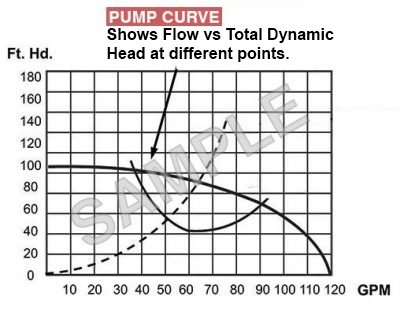
A pump curve is a graphical representation of a pumps flowrate against a certain level of head. Using a pump curve that is accurate for your application will greatly help in selecting the correct pump, ultimately saving you time and money.
Pump curves are developed from data gathered during testing of the pumps performance at the manufacturer’s facility and provides the end-user with a graph of how the pump will operate over a set range. To build the pump curve, our engineers compile several variables including type of material, fluid viscosity, distance to pump, target GPM, and factors that are job-specific. This ensures the most efficient pump is recommended for your project.
Flooded Suction Pumps FAQs
What are flooded suction pumps?
Flooded suction pumps, also known as sucker pumps, are specialized pumps designed to handle large volumes of water quickly and efficiently during flood events or water management operations. These pumps are essential for removing excess water from flooded areas to prevent property damage and ensure safety.
How do flood pumps differ from other types of pumps?
Flood pumps are specifically designed to handle high volumes of water and debris commonly encountered during flood events or emergency water management situations. Unlike standard pumps, flooded suction pumps feature a suction inlet located below the water level, allowing them to self-prime and efficiently evacuate water from flooded areas.
What are the key features of flood pumps?
Flood pumps are equipped with features to optimize performance and reliability in flood control and water management applications. These features may include high-capacity pumps for rapid water removal, rugged construction for durability in harsh environments, and self-priming capabilities to quickly establish suction and begin pumping.
How do flood pumps contribute to flood mitigation efforts?
Flood pumps play a critical role in flood mitigation efforts by quickly removing excess water from flooded areas, thereby reducing the risk of property damage, infrastructure failure, and personal injury. These pumps are essential for controlling water levels in rivers, lakes, and other bodies of water during flood events and facilitating rapid recovery and cleanup efforts.
What types of applications are suitable for flood pumps?
Flood pumps are suitable for a wide range of applications, including flood control, emergency water management, stormwater drainage, agricultural irrigation, and construction dewatering. These pumps are commonly used in urban and rural areas, industrial facilities, construction sites, and agricultural fields to manage water levels and prevent flooding.
How can I select the right pump for flood control and water management?
Selecting the right pump for flood control and water management depends on factors such as the size and severity of the flood, the volume of water to be pumped, the type of debris or solids present in the water, and the availability of power sources. Consulting with a dredging and industrial pump expert can help you choose the appropriate pump for your specific flood control needs and ensure effective water management during emergencies.
We Are Here To Help!
For help selecting a pipe float, hose, or pump, call us at (760) 821-8112 or submit a request today.
Contact Us Today
Please contact our sales team for product questions or if you need help selecting the best dredge or pump system for your application.
Phone: (760) 821-8112
Email: [email protected]
Live chat: Click to chat
Business Hours: 7:30a-5:30p Monday-Friday